
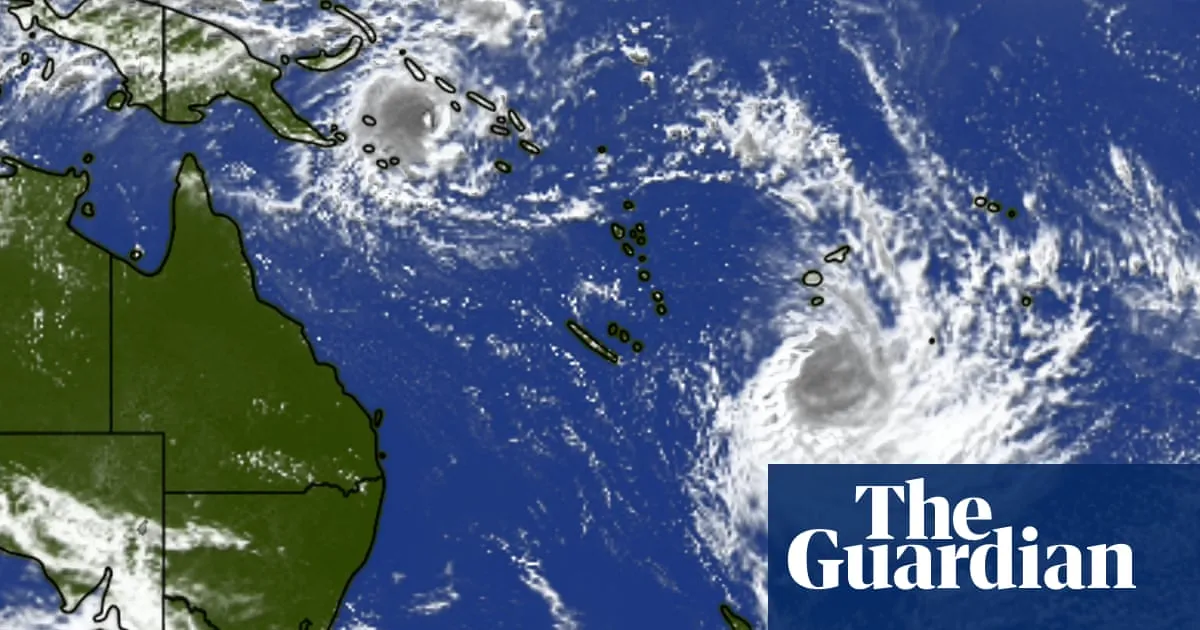
Before the emergence of Tropical Cyclone Vaianu, New Zealand was experiencing relatively stable weather conditions. The country had not faced significant cyclonic threats in recent months, allowing residents to go about their daily lives without the looming concern of severe weather. However, as forecasts began to indicate the potential for a tropical cyclone forming in the Pacific, expectations shifted dramatically.
On April 11, 2026, the situation changed decisively as Tropical Cyclone Vaianu was classified as a category 3 cyclone, with winds around its center exceeding 150 km/h. The cyclone is currently moving south of Fiji towards New Zealand, prompting severe weather watches to be issued for the entire North Island. Emergency services have urged residents to prepare for the cyclone’s arrival, which is expected to bring damaging winds and heavy rain.
The immediate effects of Cyclone Vaianu are already being felt. Vessel operations at Napier Port have been suspended from April 11 to April 13 due to the cyclone, highlighting the disruption to transport and commerce. Wind gusts in affected areas could exceed 100 km/h, and some regions may receive between 100 to 200 mm of rain within short periods. Coastal areas are also at risk, with dangerous ocean swells predicted to reach between 6 to 8 meters.
As the cyclone approaches, evacuations have been initiated in vulnerable coastal and flood-prone areas. This proactive measure aims to safeguard residents from potential hazards associated with the storm. Prime Minister Christopher Luxon emphasized the importance of preparation, stating, “It’s a great opportunity to remind New Zealanders to do everything they can – stock up, get their supplies in order, get items that may be loose in their back yards tied down and in secure storage.” His remarks underscore the seriousness of the situation.
Meteorologist John Law provided further context, noting, “We have several days until we see the impacts of Vaianu on New Zealand so this is an early severe weather watch, a heads-up for significant weather this weekend.” The cyclone has revived memories of Cyclone Gabrielle, which struck in 2023, resulting in 11 fatalities and considerable damage across the region. This historical context adds to the urgency of the current preparations.
Experts warn that Cyclone Vaianu will hit hard, with multiple hazards expected simultaneously. Prime Minister Luxon reiterated the need for vigilance, advising residents to ensure drains are clear, check on neighbors, and prepare for possible power cuts. Such measures are crucial as the cyclone’s impact could lead to widespread disruptions.
Despite the extensive preparations, uncertainties remain regarding the exact track and impact of Cyclone Vaianu on New Zealand. The potential for power outages and infrastructure damage is not fully confirmed, leaving residents and authorities on alert. Details remain unconfirmed as the cyclone continues its approach.
Related Posts

Earthquake Near Me: 4.6 Magnitude Quake Strikes Doda, Jammu and Kashmir
A 4.6 magnitude earthquake struck Doda, Jammu and Kashmir, on April 12, 2026, at a depth of 10 km. No immediate damage...
Delhi Earthquake Tremors Felt Across NCR
On April 3, 2026, tremors from a 5.9 magnitude earthquake in Afghanistan were felt across Delhi-NCR, prompting residents to evacuate their homes.
Read out all
Earthquake in delhi just now
A 5.9-magnitude earthquake originating from the Hindu Kush region was felt across Delhi and North India, causing strong tremors but no immediate...
Read out all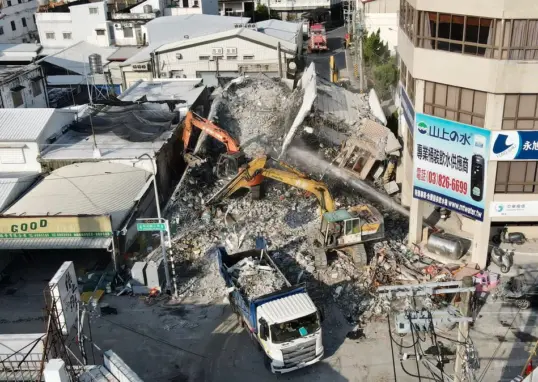
Earthquake today
A 5.9-magnitude earthquake struck Afghanistan's Hindu Kush region, causing tremors felt in Delhi-NCR and several cities in North India.
Read out all
Earthquake Strikes Delhi-NCR: Magnitude 5.9 Tremors Felt Across Northern India
On April 3, 2026, a magnitude 5.9 earthquake struck Delhi-NCR, with tremors felt across northern India. The epicenter was near Jurm in...
Read out all
Australia Tropical Cyclone Red Sky
The recent red sky in Australia was a result of atmospheric dust from Tropical Cyclone Narelle, impacting multiple regions.
Read out all