
How it unfolded
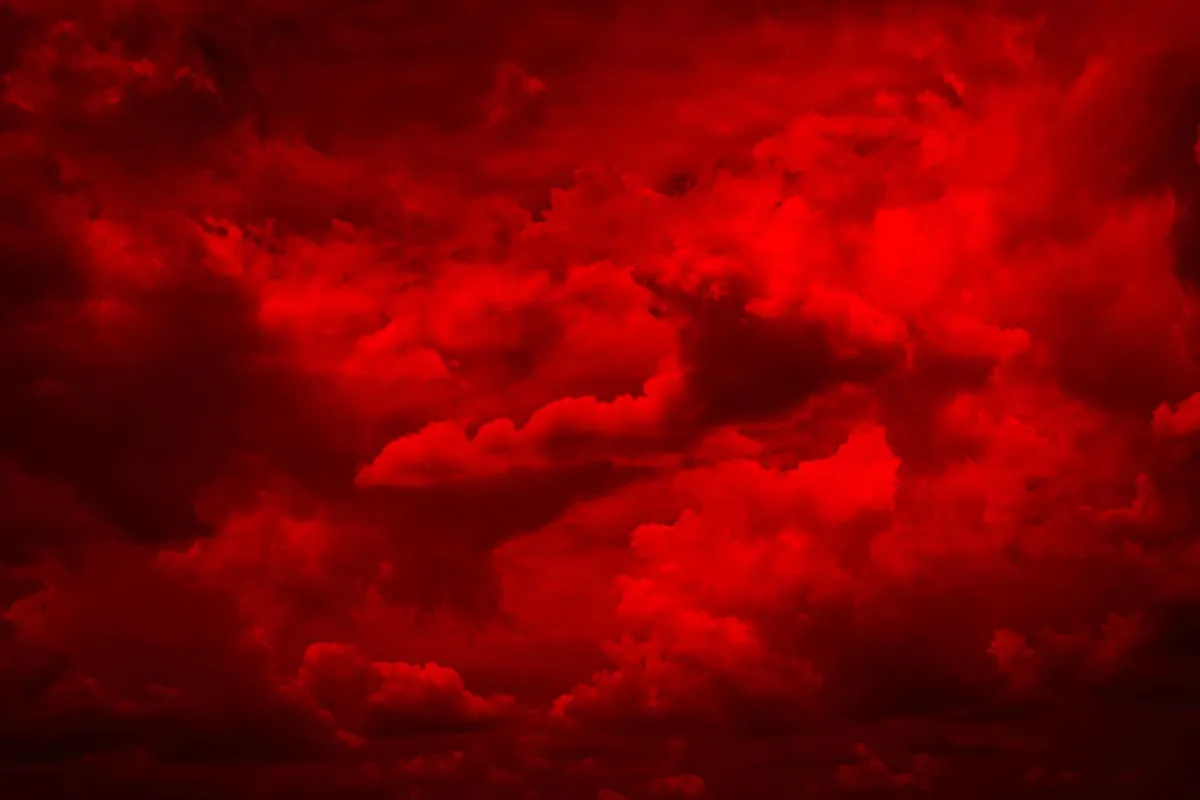
On March 30, 2026, a striking phenomenon occurred across Western Australia, where the sky turned a vivid red. This unusual occurrence was attributed to atmospheric dust stirred up by Tropical Cyclone Narelle, which had recently made landfall. The cyclone formed near the Solomon Islands, approximately 2,000 kilometers northeast of Australia, and traveled an impressive distance of 5,700 kilometers before reaching the Australian mainland.
Tropical Cyclone Narelle impacted several regions, including Queensland, Northern Territory, and Western Australia, bringing with it damaging winds that extended between 200 to 260 kilometers from its center. Typically, tropical cyclones in Australia are associated with heavy rainfall; however, the greater northwest region had experienced only 10 to 50 mm of rainfall in the six weeks leading up to the cyclone. This lack of moisture contributed to the conditions necessary for dust storms, which are relatively rare during such weather events.
The red sky phenomenon was primarily caused by high levels of iron oxide present in the red soils of the Pilbara region. As the cyclone’s winds whipped up the dust, it created a striking visual effect that caught the attention of residents and meteorologists alike. Tom Gill, a local observer, remarked, “This is pretty extreme! It’s about the reddest dust levels I’ve ever seen.” Such vivid displays of atmospheric dust are not common, especially in the context of a tropical cyclone.
As the cyclone approached land, residents braced for its impact. A local holiday park owner noted, “Not a lot of wind yet. Let’s hope we get enough rain to wash it all off. It’s an inside day for us, that’s for sure.” This sentiment reflected the uncertainty and anticipation felt by many in the path of the storm.
NASA highlighted the rarity of a storm making landfall across three Australian states and territories, emphasizing the unusual nature of this event. The combination of the cyclone’s trajectory and the prevailing weather conditions resulted in a unique meteorological situation that left a lasting impression on those who witnessed it.
As of now, the situation remains dynamic, with ongoing assessments of the cyclone’s impact on the affected regions. The red sky, while visually striking, serves as a reminder of the complex interactions between tropical cyclones and the arid landscapes of Australia. The phenomenon underscores the importance of understanding how such storms can influence weather patterns and environmental conditions.
In summary, the Australia tropical cyclone red sky phenomenon is a remarkable example of how tropical cyclones can affect arid desert climates, creating unique weather phenomena that captivate and concern local populations. The implications of such events are significant, as they highlight the need for preparedness and awareness in the face of extreme weather conditions.
Related Posts
Rainbow clouds
An iridescent cloud phenomenon in Bogor, Indonesia, has captured public attention. The event highlights the beauty of atmospheric optics.

El Niño Strengthens, Jakarta BPBD Urges Fire Safety
The Jakarta BPBD has issued an urgent warning to residents about increased fire risks linked to the strengthening El Niño phenomenon. They...
Read out all
Natural Gas Crisis Hits India’s Textile Sector
India's textile industry is grappling with a significant crisis caused by a shortage of natural gas and rising costs, worsened by geopolitical...
Read out all
Weather Alert: A Powerful Western Disturbance in India
A powerful western disturbance is affecting 19 states in India, bringing severe weather conditions. The India Meteorological Department has issued thunderstorm warnings...
Winter storm warning
A rare May blizzard is threatening major highway closures and travel chaos in the Sierra Nevada. Snowfall totals could reach up to...
Read out all
Weather report today
Hyderabad is experiencing extreme heat today with a maximum temperature of 42°C. Other regions in India are under weather alerts for thunderstorms...
Read out all