
Significant Transition in Bihar Politics
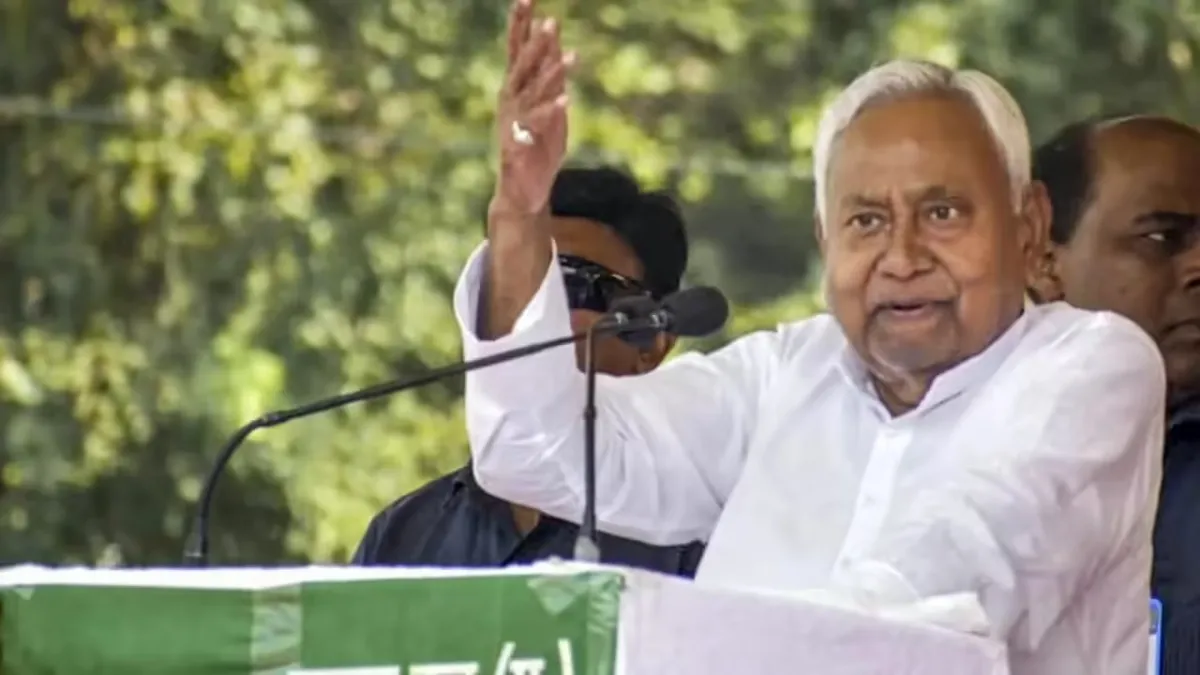
The announcement by Bihar Chief Minister Nitish Kumar to contest the upcoming Rajya Sabha elections marks a pivotal moment in the state’s political landscape. After serving as Chief Minister for over two decades and holding the position ten times, Kumar’s decision is seen as a significant transition that could reshape the dynamics of governance in Bihar.
Background and Political Journey
Nitish Kumar has been a central figure in Bihar’s governance for nearly two decades, leading the state through various phases of development and political realignment. His governance model has emphasized infrastructure development and social welfare, earning him a reputation for pragmatic leadership. Kumar’s political career has often been characterized by his oscillation between the Bharatiya Janata Party (BJP) and the Congress-led opposition, reflecting a strategic approach rather than a strict ideological commitment.
Recent Election Outcomes
In the 2025 Bihar Assembly elections, the National Democratic Alliance (NDA) emerged victorious, securing 202 out of 243 seats, with the BJP becoming the single largest party by winning 89 seats. The Janata Dal (United) (JD(U)), led by Kumar, won 85 seats, solidifying its position within the alliance. However, Kumar’s decision to step down from the Chief Minister role and move to the Rajya Sabha has raised questions about the future of the JD(U) and its independent identity within the coalition.
Reactions and Implications
Following Kumar’s announcement, some JD(U) workers expressed their discontent, protesting against what they perceive as a potential abandonment of Bihar politics. Observers note that Kumar’s departure from the Chief Minister’s office could significantly impact the JD(U)’s standing, as without his leadership, the party may struggle to maintain its independent identity within the alliance.
Future Political Dynamics
As Kumar prepares to file his Rajya Sabha nomination on March 5, 2026, the implications of his transition are still unfolding. His decision is interpreted as a strategic move to remain influential in national politics while stepping away from the day-to-day governance of Bihar. However, the exact reasons behind this decision remain unconfirmed, leaving room for speculation about the motivations driving this shift.
The transition in Bihar also aligns with a broader pattern of the BJP’s growth over the past four decades, suggesting that Kumar’s move may be part of a larger political strategy. As the political landscape evolves, the future dynamics between the JD(U) and BJP in Bihar remain uncertain, with many watching closely to see how this change will affect governance and party relations in the state.
Related Posts
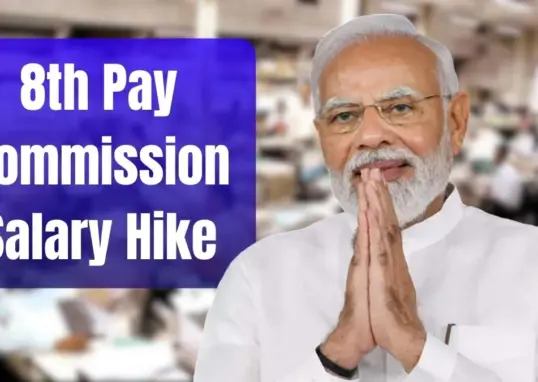
8th Pay Commission: Key Developments and Current Status
The 8th Pay Commission is anticipated to bring significant changes for central government employees and pensioners. Key developments include stakeholder consultations and...

NATO’s Position Amid Rising Tensions in the Strait of Hormuz
Tensions in the Strait of Hormuz escalate as NATO allies respond cautiously to US-Israeli military actions against Iran.
Read out all
Battle of Galwan: Film Retitled to Maatrubhumi
The film 'Battle of Galwan' has been retitled to 'Maatrubhumi', directed by Apoorva Lakhia and based on the 2020 India-China conflict.
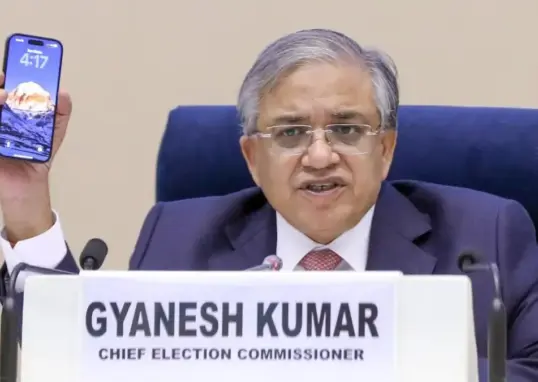
Assembly Election Dates in India Announced for 2026
India's assembly elections will take place in April 2026, with over 17 crore eligible voters across multiple states. Key dates have been...
Read out all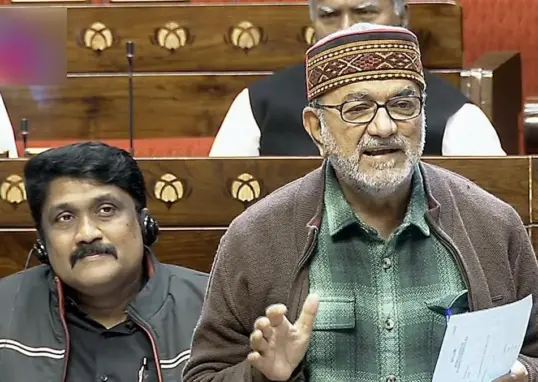
Cpim candidate list 2026: CPI(M) Candidate List for 2026 West Bengal Assembly Elections Released
The CPI(M) has announced its candidate list for the 2026 West Bengal Assembly elections, marking a significant moment in its political strategy.
Rajya Sabha Election Results in Odisha: BJP Secures Majority
In the recent Rajya Sabha elections, the BJP has secured three out of four seats in Odisha, marking a significant political shift...
Read out all