
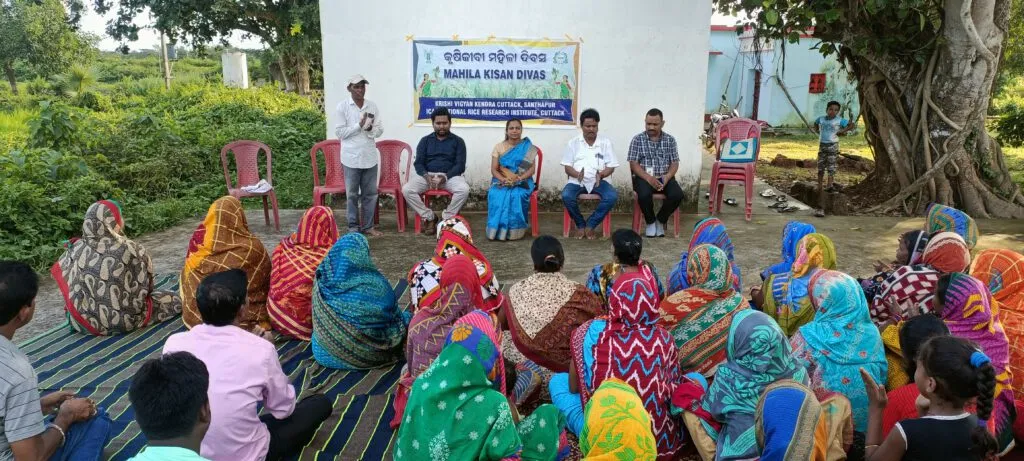
What does mahila divas signify for women’s representation in India?
On the occasion of mahila divas, or International Women’s Day, a critical question arises: how far has India come in terms of women’s political representation? The answer reveals a complex landscape of progress and ongoing challenges. As of 2024, women contesting Lok Sabha elections have increased from a mere 3% in 1957 to 10%, indicating a gradual yet significant shift in the political arena.
Current Statistics on Women’s Representation
In the Lok Sabha, the number of elected women members has risen from 22 in the first Lok Sabha to 78 in the 17th Lok Sabha and 74 in the 18th Lok Sabha, which constitutes approximately 13.6% of the total members. In the Rajya Sabha, women members have increased from 15 in 1952 to 42 today, representing about 17% of the total members. This growth is noteworthy, yet it underscores the persistent underrepresentation of women in Indian politics.
Constitutional Changes and Future Projections
The Constitution (One Hundred and Sixth Amendment) Act, 2023, reserves one-third of all seats for women in the Lok Sabha and State Legislative Assemblies. This legislative change is a landmark step towards enhancing women’s representation. However, the women’s reservation Bill is expected to come into effect only after the next nationwide census and subsequent delimitation exercise, with implementation projected for the 2029 general elections. Currently, women constitute only 14% of the Lok Sabha members.
The Role of Elected Women Representatives
India boasts approximately 14.5 lakh Elected Women Representatives (EWRs) in Panchayati Raj Institutions, which accounts for about 46% of the total elected representatives. This statistic highlights the vital role women play at the grassroots level, even as their representation in higher legislative bodies remains limited. The presence of women in local governance is crucial for advocating issues that affect women and families.
Global Context and Comparisons
As of 2026, women represent 16% of presiding officers globally, and in India, women head 22.9% of Cabinet ministries as of January 1, 2025. Despite these advancements, only six countries have achieved 50% or more women in parliament in either their single or lower houses. This global context emphasizes the need for continued efforts to elevate women’s representation in India.
Voices from the Political Arena
Political leaders have voiced their concerns and aspirations regarding women’s representation. Derek O’Brien, a prominent figure in the All India Trinamool Congress, questioned, “How many women MPs do the biggest five political parties have in Parliament?” He also noted, “Even without the bill, the TMC have women MPs. West Bengal, Best Bengal.” These statements reflect the ongoing dialogue about the necessity of women’s voices in political decision-making.
Historical Perspectives
Reflecting on the past, Indira Gandhi, who served as Prime Minister of India from 1966 to 1977 and again from 1980 until her assassination in 1984, was often referred to as “the only man in the Indian government” during her tenure. Her legacy continues to influence discussions about women’s roles in leadership, as her quote resonates: “I consider it an insult… Why should I be considered a man when I am not?” This sentiment raises questions about the standards by which powerful women are measured, a topic still relevant decades later.
Looking Ahead
As we commemorate mahila divas, it is essential to acknowledge both the progress made and the challenges that lie ahead for women in Indian politics. While legislative measures are being put in place to enhance representation, the effectiveness of these changes will depend on the political will and societal support. Details remain unconfirmed regarding the timeline for the full implementation of the women’s reservation Bill, but the conversation surrounding women’s empowerment and representation is more crucial than ever.
Related Posts
Cc mukundan: C.C. Mukundan Joins BJP
C.C. Mukundan has officially joined the BJP after being expelled from the CPI, citing corruption within the party. His decision is seen...
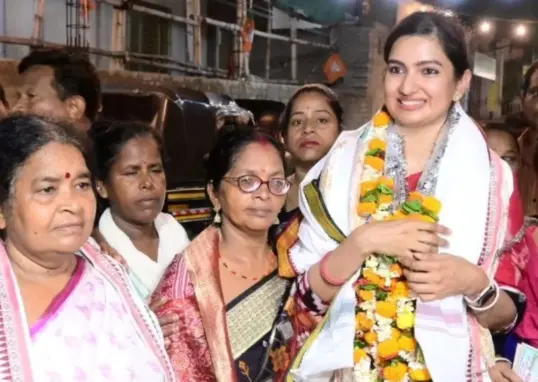
Sofia Firdous: Controversy Surrounds Congress MLA’s Actions in Odisha
Sofia Firdous, a Congress MLA from Barabati-Cuttack, has sparked controversy by defying party directives during the Rajya Sabha elections and highlighting safety...
Read out all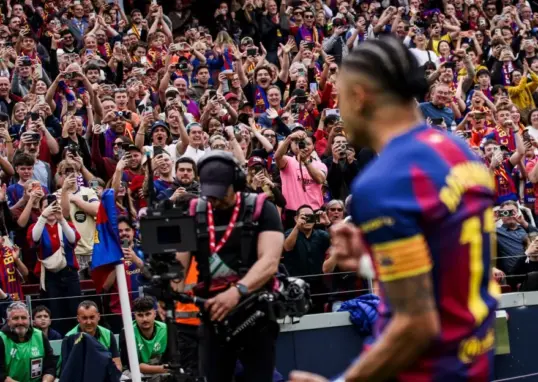
Sevilla FC Faces Defeat Against FC Barcelona in La Liga Showdown
In a high-stakes La Liga match, Sevilla FC was defeated 5-2 by FC Barcelona, marking a challenging period for the team.
Read out all
Iran Kharg Island: A Strategic Oil Export Hub Under Threat
Kharg Island, handling 90% of Iran's crude oil exports, is under threat as the US considers military actions to seize control. The...
Read out all
DSSSB Results Announced for Pharmacist and Craft Instructor Positions
The DSSSB has released results for various posts, including Pharmacist (Homeopathy) and Craft Instructor - Fitter. Candidates must follow the e-dossier submission...
Read out all
Faridabad: Yatharth Hospital Reports Significant Revenue Growth Amid Local Incidents
Yatharth Hospital in Faridabad has reported a substantial revenue increase, while the area faces troubling incidents involving extortion and accidents.
Read out all