
Recent Developments
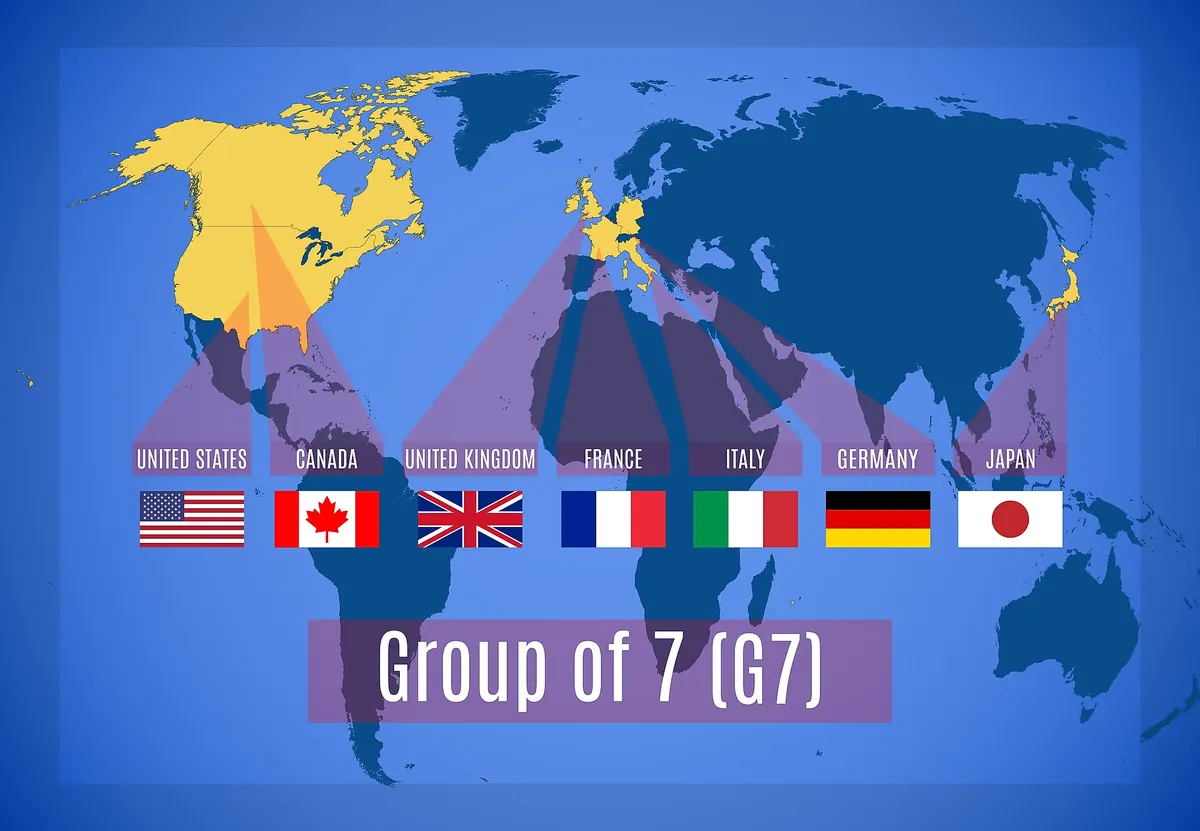
On March 9, 2026, the G7 Finance Ministers convened to address the escalating oil prices triggered by the ongoing conflict in Iran. This meeting follows a significant increase in oil prices, which surged more than 25% on the same day, reaching levels not seen since mid-2022.
The backdrop to this discussion is the Middle East conflict that began on February 28, 2026, when U.S. and Israeli strikes targeted Iran. The resulting instability in the region has had a direct impact on global oil markets, prompting urgent action from the G7 nations.
Coordinated Response
During the call, three G7 countries, including the U.S., expressed support for a joint release of emergency oil reserves. The proposed coordinated release could involve between 300 million to 400 million barrels from the strategic reserves held by G7 nations.
The International Energy Agency (IEA) has indicated that its member countries currently hold approximately 1.2 billion barrels in strategic reserves. Of this, around 1.24 billion barrels are designated as public emergency reserves, with the U.S. and Japan holding about 700 million barrels combined.
Following the discussions, Brent crude prices eased to $110 per barrel, while West Texas Intermediate (WTI) crude declined to $107 per barrel, a notable drop from earlier highs. This fluctuation reflects the market’s response to the potential for coordinated action by the G7.
The IEA has a history of orchestrating collective releases of emergency oil stocks, having done so five times since its inception, with the most recent instance occurring in 2022 in response to Russia’s invasion of Ukraine.
Current Status
As of now, the G7 ministers are set to hold further discussions with IEA Executive Director Fatih Birol to finalize the details of the proposed release. The urgency of these talks underscores the critical nature of the situation, as rising oil prices can have widespread implications for the global economy.
This sequence of events is significant not only for the G7 countries but also for global markets and consumers, as coordinated efforts to stabilize oil prices may mitigate the economic fallout from the ongoing conflict in the Middle East. The outcome of these discussions will be closely monitored by stakeholders worldwide.
Related Posts
8th Pay Commission: Key Developments and Current Status
The 8th Pay Commission is anticipated to bring significant changes for central government employees and pensioners. Key developments include stakeholder consultations and...

Emirates Flight Status: Temporary Suspension Due to Drone Incident
Emirates flights have been temporarily suspended at Dubai International Airport following a drone strike incident. Passengers are advised not to travel to...
NATO’s Position Amid Rising Tensions in the Strait of Hormuz
Tensions in the Strait of Hormuz escalate as NATO allies respond cautiously to US-Israeli military actions against Iran.
Read out all
Mundra Port Receives First LPG Vessel Amid Regional Tensions
The Shivalik has arrived at Mundra Port carrying a significant LPG cargo, marking a notable development amid regional tensions.

Battle of Galwan: Film Retitled to Maatrubhumi
The film 'Battle of Galwan' has been retitled to 'Maatrubhumi', directed by Apoorva Lakhia and based on the 2020 India-China conflict.

Assembly Election Dates in India Announced for 2026
India's assembly elections will take place in April 2026, with over 17 crore eligible voters across multiple states. Key dates have been...
Read out all