
What recent rulings by the Patna High Court and Supreme Court signify for land rights and heritage in Bihar?
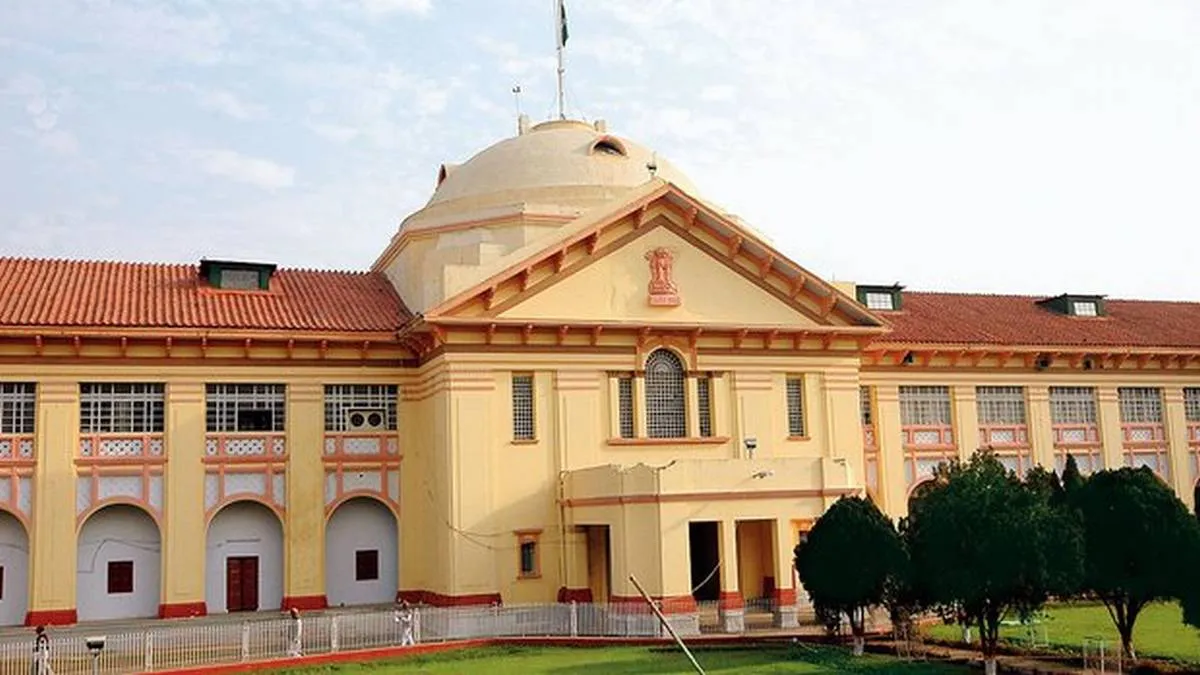
The Patna High Court and the Supreme Court of India have recently made significant rulings that highlight the ongoing struggle for land rights and the preservation of cultural heritage in Bihar. The Patna High Court directed the Bihar government to halt the eviction of a Mahadalit woman from a settlement in Begusarai district, emphasizing the need for clarity regarding the Bihar Land Encroachment Act of 1956.
This intervention by the Patna High Court came as a relief to the affected individual, Saroj Devi, as the eviction was paused until further orders. The court’s decision underscores the judiciary’s role in protecting vulnerable communities from arbitrary state actions.
Supreme Court’s Landmark Decision on Heritage
In a related development, the Supreme Court struck down a Bihar law that aimed to acquire the Srimati Radhika Sinha Institute and Sachchidananda Sinha Library, a historic institution established in 1924 by Sachchidanand Sinha in memory of his wife, Radhika Sinha. This library has been a significant cultural and educational resource, funded by Sinha’s personal contributions, including 50,000 rupees from the sale of ancestral property and a donation of 10,000 volumes.
The Supreme Court found the Bihar law to be manifestly arbitrary and in violation of Article 14 of the Constitution, which guarantees equality before the law. The court stated, “The court held that the Srimati Radhika Sinha Institute and Sachchidananda Sinha Library (Requisition and Management) Act, 2015, was manifestly arbitrary and violated Article 14 of the constitution.” This ruling reinstates the management and administration rights of the library to its trustees, reversing the provisions of the 2015 Act that allowed the state to take over the library for a token compensation of just one rupee.
Legal Implications and Future Directions
The Supreme Court criticized the token compensation model, stating, “A statutory provision that enables acquisition of property while reducing compensation to a token amount lacks the basic attributes of fairness.” This ruling not only protects the library but also sets a precedent for future cases involving property rights and compensation in India.
As the legal landscape evolves, the implications of these rulings are profound. The Patna High Court’s decision to halt the eviction process reflects a growing recognition of the rights of marginalized communities, while the Supreme Court’s ruling on the library emphasizes the importance of safeguarding cultural heritage against arbitrary state actions.
Details remain unconfirmed regarding how the Bihar government will respond to these rulings and what measures will be taken to ensure compliance. The outcomes of these cases could influence similar legal battles across the country, particularly in the context of land rights and heritage preservation.
Related Posts

Harish Rana Case: Supreme Court Approves Withdrawal of Life Support
The Supreme Court of India has permitted the withdrawal of life-sustaining treatment for Harish Rana, a 32-year-old man in a vegetative state...

Uttam nagar fire
A significant fire in Uttam Nagar led to the destruction of approximately 80 shanties, with no reported casualties. The cause of the...
Bombay High Court Issues Restraint on Copyrighted Music Use in Cricket Tournament
The Bombay High Court has issued a restraint against Absolute Legend Sports Pvt. Ltd. regarding the use of copyrighted music in the...

Cyber Attacks Stryker: Global Disruption and Data Breach
Stryker Corporation faced a major cyber attack on March 11, 2026, resulting in a global network disruption and significant data loss. The...

Prison Break: Cain Velasquez Released After 11 Months
Cain Velasquez has been released from prison after serving 11 months of a five-year sentence for attempted murder and felony assault. The...
Allahabad High Court Orders Security for Haseen Khan Amid Prayer Controversy
The Allahabad High Court has mandated 24/7 armed security for Haseen Khan after he faced police interference during private prayers. The case...