
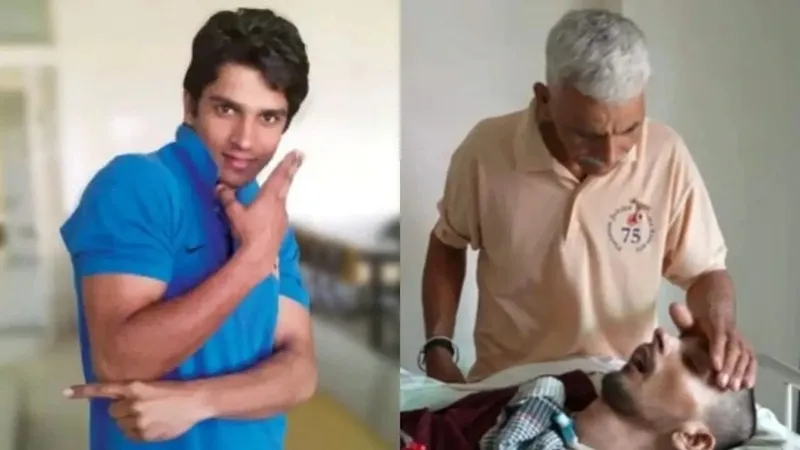
In a significant development, the Supreme Court of India has permitted the withdrawal of life-sustaining treatment for Harish Rana, a 32-year-old man who has been in a vegetative state since 2013. This ruling was issued on March 15, 2026, at the All India Institute of Medical Sciences (AIIMS) Delhi.
Harish Rana suffered severe head injuries in 2013 following a fall, which left him in a persistent vegetative state for over 13 years. The Supreme Court had previously constituted primary and secondary medical boards to evaluate his condition, which concluded that his state was irreversible with negligible chances of recovery.
The Court’s decision to allow the withdrawal of life support marks the first instance in India where a court has approved passive euthanasia. The ruling emphasized the importance of avoiding the artificial prolongation of life without hope of recovery, reinforcing the interpretation of Article 21 of the Indian Constitution as encompassing dignity in end-of-life decisions.
Before the withdrawal of life support, Harish Rana’s family had the opportunity to bid farewell to him. His father, Ashok Rana, expressed the profound pain of witnessing his son’s condition, stating, “As a father, it is extremely painful. No parent would ever want to see their son in such a condition.” He also noted that the decision could help families facing similar situations in the future.
The Supreme Court remarked, “You are not giving up on your son. You are allowing him to leave with dignity. It reflects the depth of your selfless love and devotion towards him.” This statement highlights the emotional weight of the decision made by the family.
Additionally, a Brahma Kumaris sister offered comforting words, saying, “Forgive everyone, ask forgiveness from all, now it’s time to go. It’s okay.” This reflects the spiritual and emotional support surrounding the family during this difficult time.
This ruling may set a precedent for future cases involving similar circumstances, providing a legal framework for families grappling with the complexities of end-of-life decisions. The Supreme Court’s ruling is seen as a compassionate response to the plight of families like that of Harish Rana.
As the case unfolds, it remains a pivotal moment in the discourse surrounding medical ethics and the right to die with dignity in India.
Related Posts
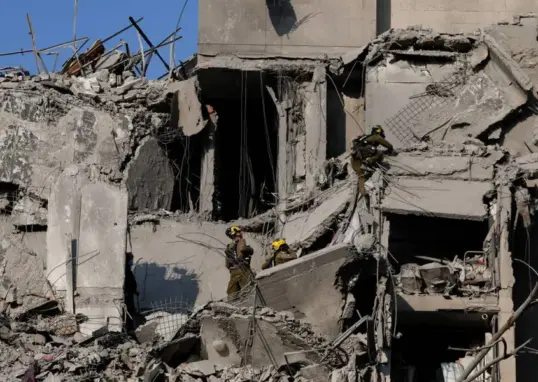
Us aircraft declared an emergency and disappeared over qatar
A US military KC-135 tanker has gone missing after declaring an emergency over the Persian Gulf. The incident raises concerns amid escalating...

Instagram Scams: Users Targeted by Sophisticated Cyber Fraud
Instagram users are increasingly targeted by sophisticated scams. The Kozhikode police issue warnings about cyber fraud and jewelry security.
They will kill you: Violence against Palestinian education escalates
The shooting of a 14-year-old boy outside his school underscores the growing violence against Palestinian education in the occupied West Bank.
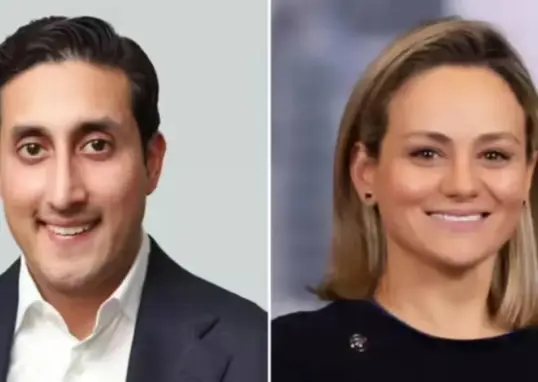
Jp morgan case
A lawsuit against JPMorgan Chase executive Lorna Hajdini alleges shocking misconduct, raising serious concerns about workplace culture at the bank.
Read out all
Jabalpur cruise accident
A tragic cruise accident at Bargi Dam in Jabalpur has left four dead and twelve missing. Survivors reported safety concerns were ignored...
Read out all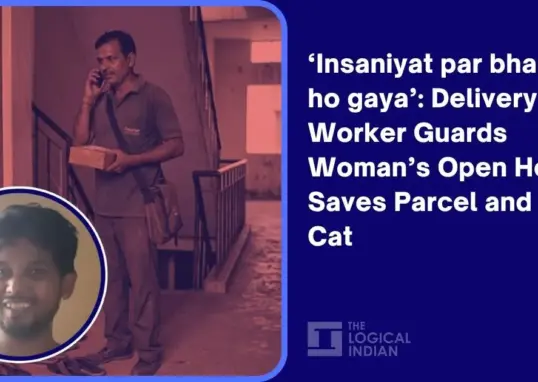
Delivery worker guards open house
In a remarkable display of urban kindness, a delivery worker named Amzad guarded a customer's home after she accidentally left the door...
Read out all