
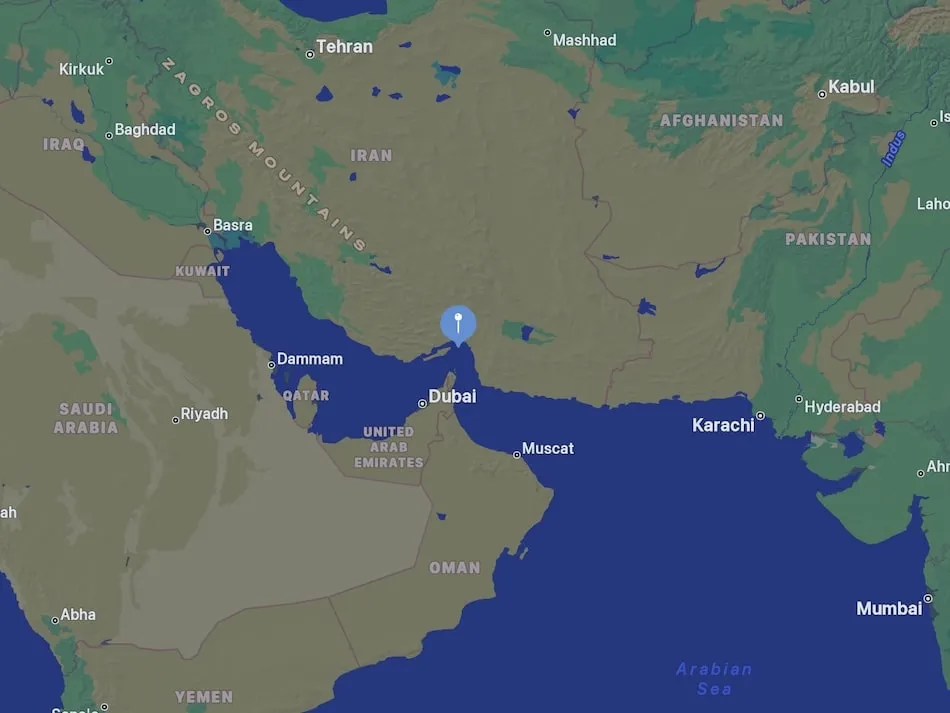
Background on the Strait of Hormuz
The Strait of Hormuz is considered one of the most important maritime chokepoints in the global energy system, with over 20 million barrels of crude oil passing through daily. Approximately 40% of India’s crude imports transit this vital waterway, making it a focal point for international shipping and energy security. The region has been under increasing scrutiny due to rising tensions and military conflicts that have targeted commercial shipping.
Recent Developments
On March 12, 2026, an Indian government source indicated that Iran would allow Indian-flagged oil tankers to transit the Strait of Hormuz. This announcement comes amid a backdrop of heightened military activity, as Iran has attacked at least 16 ships transiting the strait since late February. However, an Iranian source later denied that any formal agreement had been reached regarding the passage of Indian tankers, leaving the situation somewhat ambiguous.
Current Operations and Impacts
Currently, 28 Indian-flagged vessels are operating on both sides of the Strait of Hormuz, carrying a total of 778 Indian sailors. The Suezmax tanker Shenlong recently made headlines as it became the first crude carrier to reach India from the Middle East since the conflict began. The Shenlong was carrying 135,335 metric tonnes of Saudi crude and is expected to take around 36 hours for the crude discharge process upon arrival in Mumbai.
Statements from Key Parties
In light of the ongoing situation, the Indian foreign ministry expressed concern, stating, “India deplores the fact that commercial shipping is being made a target of military attacks in the ongoing conflict.” Meanwhile, Iranian military officials have emphasized that any vessel intending to pass through the Strait must obtain permission from Iran. Alireza Tangsiri, an Iranian military figure, raised questions about whether the ships had been assured safe passage, highlighting the uncertainty surrounding the situation.
Humanitarian Aspects
In a notable humanitarian gesture, India has provided safe harbor to 183 Iranian sailors whose vessel docked after the conflict erupted. This action underscores the complexities of the situation, where geopolitical tensions intersect with humanitarian considerations.
Looking Ahead
As the situation evolves, observers are closely monitoring the developments in the Strait of Hormuz. The exact nature of the agreement between India and Iran regarding the safe passage of Indian vessels remains unclear, and details remain unconfirmed. It is uncertain how directives are being communicated within Iran’s administrative and military structure, adding another layer of complexity to the ongoing maritime security concerns.
Related Posts
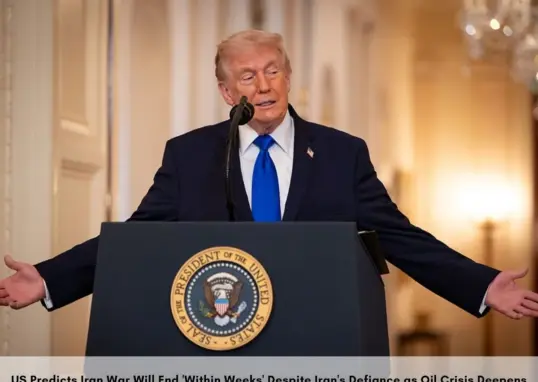
Israel Iran War Escalates Amid Heavy Casualties and Economic Strain
The ongoing Israel Iran War has resulted in over 2,000 deaths and significant regional disruption, with Iran setting conditions for peace.
Read out all
Pawan Kalyan’s Ustaad Bhagat Singh Set for Release
Pawan Kalyan's upcoming film Ustaad Bhagat Singh is scheduled for release on March 19, 2026. The film has garnered attention for its...

Taiwan Faces Increased Military Activity from China
Taiwan has reported a significant increase in Chinese military activity, with 26 aircraft detected near its airspace. This follows a brief lull...
Read out all
Election Date 2026: West Bengal Assembly Elections Scheduled
The West Bengal Assembly Elections 2026 will take place in two phases on April 23 and April 29, with a total of...
Israel North Korean Embassy: Claims of Attack Unverified
Recent claims suggested an attack on the North Korean embassy in Tehran by Israel, but these remain unverified and unconfirmed.
Read out all
Disclosure Day: Spielberg’s Return to Sci-Fi
Directed by Steven Spielberg, 'Disclosure Day' is set to release on June 12, 2026, featuring a star-studded cast and a plot centered...