
Reaction from the field
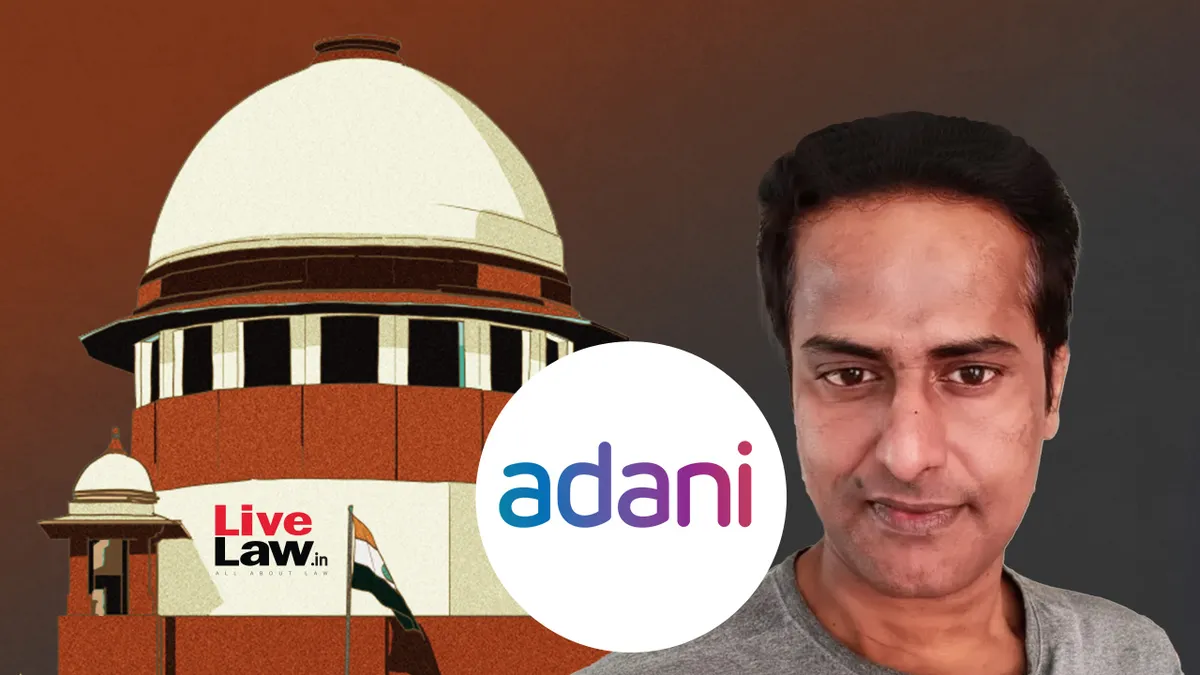
The Supreme Court of India has dismissed Ravi Nair’s plea against a notice issued by the Gujarat Crime Branch, marking a significant escalation in his ongoing legal challenges. The court’s decision, delivered on March 16, 2026, directs Nair to seek relief from the jurisdictional High Court, leaving him to navigate the complexities of the legal system without immediate protection from coercive action.
The notice from the Gujarat Crime Branch was issued in connection with a complaint filed by Adani Ports and SEZ Ltd, which alleges that Nair published multiple posts damaging to the reputation of Adani Enterprises Limited. This complaint is particularly notable given Nair’s recent co-authorship of an article in The Washington Post, titled “India’s $3.9 billion plan to help Modi’s mogul ally after U.S. charges,” which scrutinized the Indian government’s financial dealings with the Adani Group.
In a previous ruling, the Supreme Court refused to grant Nair interim protection from coercive action, a decision that underscores the serious nature of the allegations against him. Nair has a history of legal troubles, having been previously convicted for criminal defamation under Section 499 of the Indian Penal Code. This conviction resulted in a fine of 5,000 rupees and a one-year prison sentence, reflecting the court’s stance on the responsibilities that come with reporting and commentary.
Justice Vikram Nath, part of the Supreme Court bench, emphasized the importance of approaching the High Court under Article 22, stating that it is a fundamental right for individuals in Nair’s position. The court’s comments highlight the delicate balance between freedom of expression and the legal repercussions that can arise from journalistic activities.
Nair’s article, which revealed how Indian officials were drafting a proposal to channel investments into Adani Group businesses, was defended in court as being published in the public interest. His legal team argued that the article was based on internal documents from the Life Insurance Corporation of India (LIC) and the Indian Department of Financial Services, suggesting a significant public interest angle in the reporting.
As the case unfolds, the implications for Nair and the broader landscape of journalism in India remain uncertain. The Supreme Court’s refusal to intervene at this stage raises questions about the potential for further legal action against Nair and the chilling effect it may have on investigative journalism in the country.
Details remain unconfirmed regarding the next steps Nair may take in response to the Supreme Court’s ruling. With the legal landscape shifting, observers will be closely monitoring how this situation develops and what it means for freedom of the press in India.
Related Posts

Abdukodir Khusanov Shines in UEFA Champions League Match Against Real Madrid
Abdukodir Khusanov delivered an impressive performance in Manchester City's match against Real Madrid, earning a high rating and recognition.

Perambur: Vijay’s Potential Candidacy from Stirs Political Interest
Vijay is likely to contest from the Perambur constituency in the upcoming Tamil Nadu Assembly elections, drawing significant attention.
Read out all
Ss511: Kerala Lottery Results: Announced
The Kerala State Lottery Department has announced the results of the ss511 lottery draw, with the first prize being ₹1 crore.

Gangaur 2026: Celebrating Tradition in Rajasthan and Beyond
Gangaur 2026 is set to take place on March 21, celebrating the bond between Lord Shiva and Goddess Parvati. This festival is...

Tiger Population Recovery in Chhattisgarh
Chhattisgarh has seen a remarkable recovery in its tiger population, growing from 17 in 2022 to 35 in 2025, thanks to conservation...
Pradyut Bordoloi Resigns from Congress After 30 Years
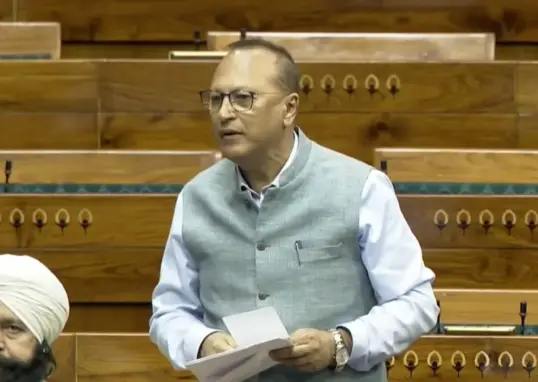
Pradyut Bordoloi has resigned from the Indian National Congress after three decades, expressing deep sadness over his decision. His departure could reshape...