
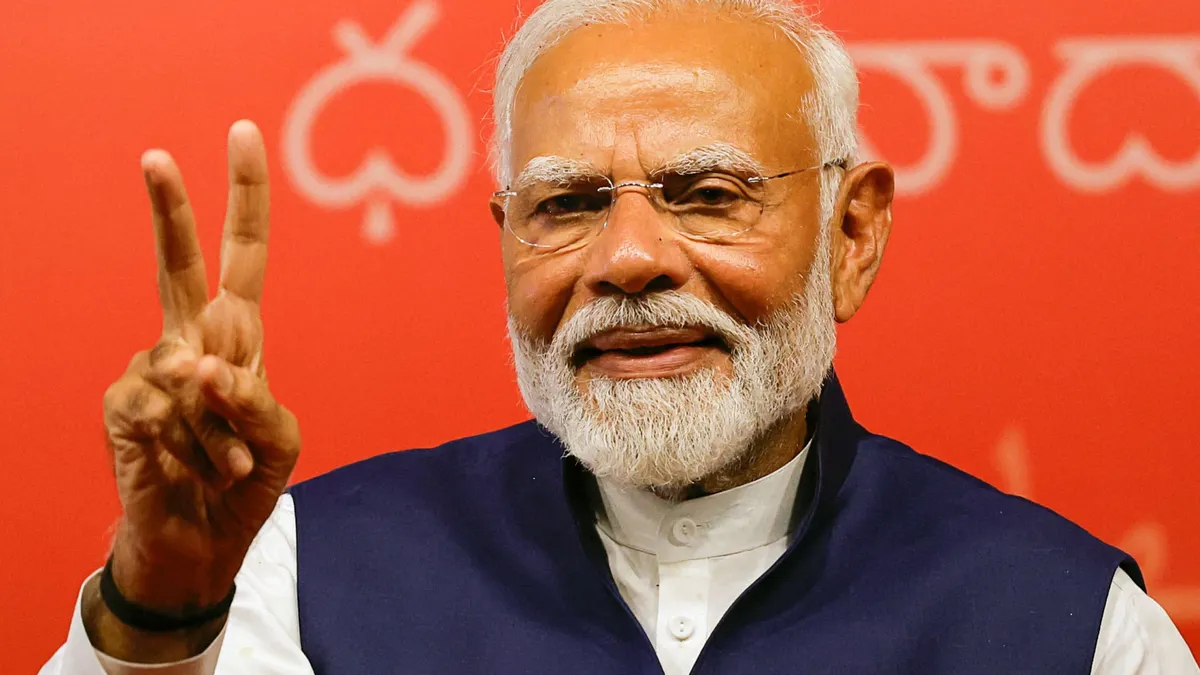
Cricket Triumph Amidst Oil Import Challenges
In a thrilling semifinal match of the 2026 T20 World Cup, India defeated England by a narrow margin of 7 runs, a significant achievement that has reignited national pride in cricket. Prior to this match, expectations were high for the Indian team, which had been performing consistently well throughout the tournament.
India posted a formidable total of 253 runs, with standout player Sanju Samson scoring an impressive 89 runs off just 42 balls. England, despite a valiant effort, fell short, finishing with 246 runs. This victory not only propels India into the finals against New Zealand but also marks a potential third T20 World Cup title for the nation.
However, this sporting success contrasts sharply with India’s current geopolitical landscape, particularly concerning its oil imports. Recently, the U.S. granted India a temporary waiver allowing the import of Russian oil for 30 days, a decision that highlights the complexities of international relations and energy security.
In January 2026, India imported $1.98 billion worth of crude oil from Russia, a significant figure amid ongoing global tensions. This reliance on Russian oil comes at a time when India’s current account deficit could stretch to 1.4% of GDP if Brent crude prices exceed $90 per barrel.
Historically, India has been shifting its oil import strategy, cutting back on Russian supplies while increasing imports from the U.S. This shift is underscored by a 32% increase in crude oil imports from the U.S. from April 2025 to January 2026, with the U.S. now accounting for 8% of India’s total oil imports.
The Indian National Congress has criticized the government’s approach, stating, “The Government of India under Narendra Modi has led the country to a situation where the United States is now deciding where India can buy oil from and where it cannot.” This sentiment reflects growing concerns over India’s energy independence.
Scott Bessent, an expert on global energy markets, commented on the situation, stating, “This stop-gap measure will alleviate pressure caused by Iran’s attempt to take global energy hostage.” His remarks highlight the precarious balance India must maintain in its energy sourcing amidst geopolitical tensions.
As India celebrates its cricketing success, the nation must also navigate the challenges posed by its energy policies and international relationships. The duality of triumph on the cricket field and complexity in energy imports illustrates the multifaceted nature of India’s current standing on the global stage.
Details remain unconfirmed.
Related Posts
Cognizant’s Layoffs and AI Hiring Strategy
Cognizant plans to lay off up to 15,000 employees globally, impacting traditional IT jobs and creating openings for fresh graduates.
Read out all
Governance
The DMK raises concerns about the lack of anti-incumbency in BJP-ruled states. They highlight issues affecting opposition parties.
Read out all
Us iran news
Trump has paused the 'Project Freedom' operation, indicating possible advancements in US-Iran negotiations amidst rising tensions in the Strait of Hormuz.
Cv shanmugam and internal dissent in AIADMK
Internal dissent within the AIADMK is escalating as a faction of MLAs considers backing Vijay's TVK for government formation. CV Shanmugam plays...
Rahul Gandhi’s Confrontational Question to Selvaperunthagai
Rahul Gandhi confronted Selvaperunthagai with a tough question, stirring speculation ahead of the Vijay swearing-in ceremony.
Love insurance kompany
'Love Insurance Kompany' has experienced a notable decline in box office collections following its second week of release.
Read out all