
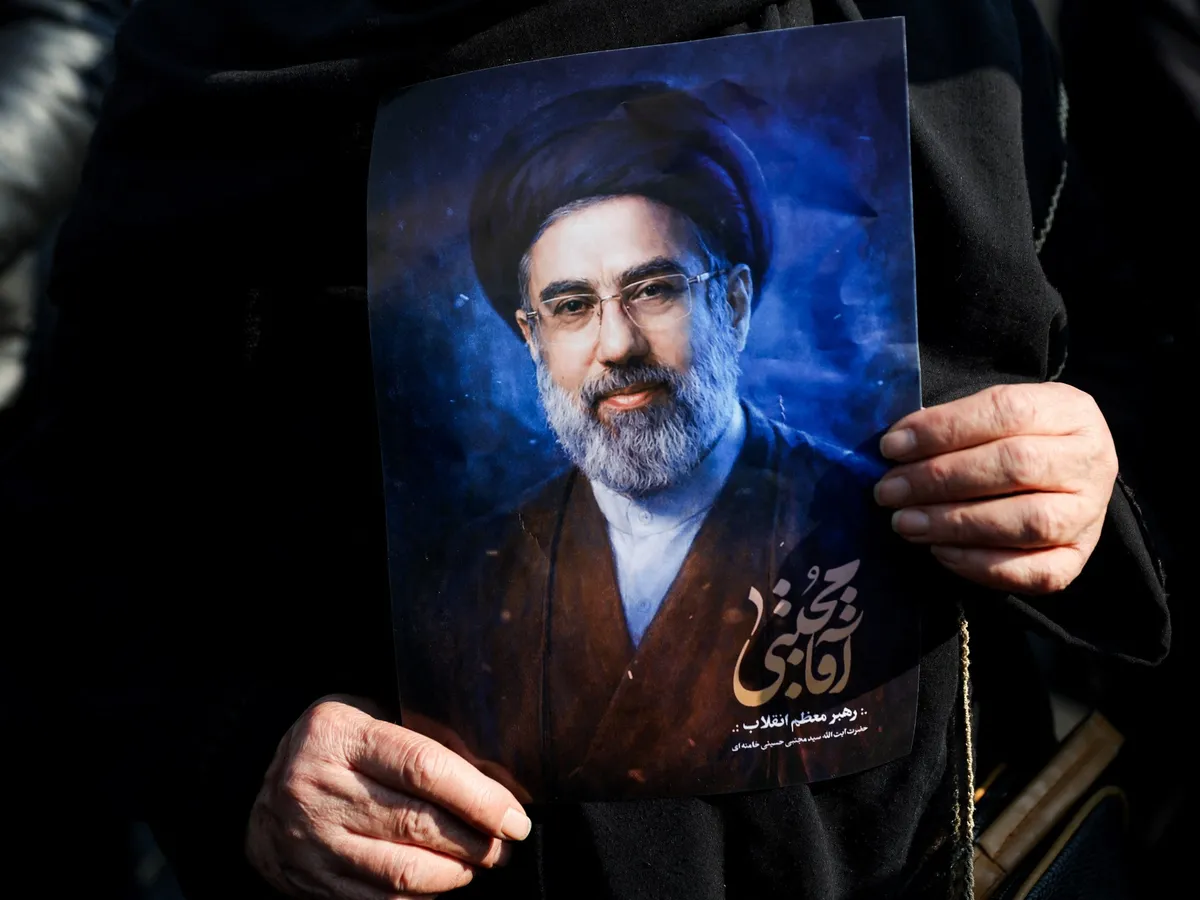
Transition of Power in Iran
The political landscape in Iran has undergone a significant transformation with the appointment of Mojtaba Khamenei as the new Supreme Leader on March 9, 2026. This development follows the death of his father, the long-standing Supreme Leader Ayatollah Ali Khamenei, who was killed in US-Israeli strikes. Prior to this event, expectations were centered around a potential power struggle within Iran’s political elite, given Mojtaba’s lack of formal governmental experience.
In a decisive moment, Mojtaba Khamenei received immediate backing from Iran’s political and security establishment, signaling a unified front in support of his leadership. Mass rallies were organized across the country, showcasing public support for the new Supreme Leader. Notably, Oman’s Sultan and Iraqi Prime Minister Mohammed Shia al-Sudani expressed their confidence in Khamenei’s ability to navigate the challenges ahead.
However, the international reaction has been mixed. US President Donald Trump criticized the appointment, labeling it a mistake and questioning its longevity. In contrast, Russian President Vladimir Putin pledged unwavering support for Iran, emphasizing the need for strong leadership during a time of armed aggression. This contrast highlights the geopolitical implications of Khamenei’s rise to power.
The Israeli government reacted sharply, with its Foreign Ministry branding Khamenei a “tyrant” and issuing threats. This reflects ongoing tensions in the region, particularly concerning Iran’s influence in neighboring countries like Iraq and Yemen, where the Houthis also congratulated Khamenei on his new role.
As Mojtaba Khamenei steps into this pivotal position, he faces the daunting task of managing a nation in crisis. His leadership will be scrutinized not only domestically but also on the international stage, where perceptions of Iran’s political direction are closely tied to the actions of its new Supreme Leader. The coming months will be critical in determining how Khamenei’s leadership will shape Iran’s future amidst ongoing conflicts and diplomatic challenges.
Experts suggest that Khamenei’s tenure will require significant courage and dedication, especially given the historical context of his father’s rule, which was marked by bloodshed and controversy. The legacy of Ayatollah Ali Khamenei looms large, and Mojtaba’s ability to forge his own path will be closely watched.
Details remain unconfirmed regarding the full implications of this leadership change, but the immediate reactions from both allies and adversaries indicate a complex and potentially volatile environment for Iran’s new Supreme Leader.
Related Posts
साप्ताहिक राशिफल: Weekly Horoscope: Insights from Anand Sagar Pathak
This week's horoscope, covering March 16 to March 22, offers valuable insights from seasoned astrologer Anand Sagar Pathak.
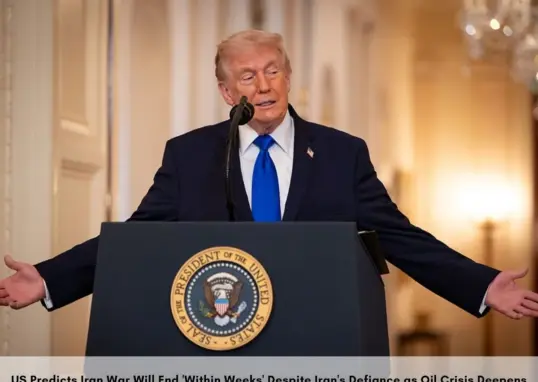
Israel Iran War Escalates Amid Heavy Casualties and Economic Strain
The ongoing Israel Iran War has resulted in over 2,000 deaths and significant regional disruption, with Iran setting conditions for peace.
Read out all
Ekadashi Parana Time for Papmochani Ekadashi 2026
Papmochani Ekadashi will be observed on March 15, 2026, with parana time set for March 16, 2026. This day holds great significance...
Ramzan 2026: Ramadan 2026: Key Dates and Observances in India
Ramadan 2026 is set to commence on February 19, with significant observances throughout the month.
Read out all
Pawan Kalyan’s Ustaad Bhagat Singh Set for Release
Pawan Kalyan's upcoming film Ustaad Bhagat Singh is scheduled for release on March 19, 2026. The film has garnered attention for its...
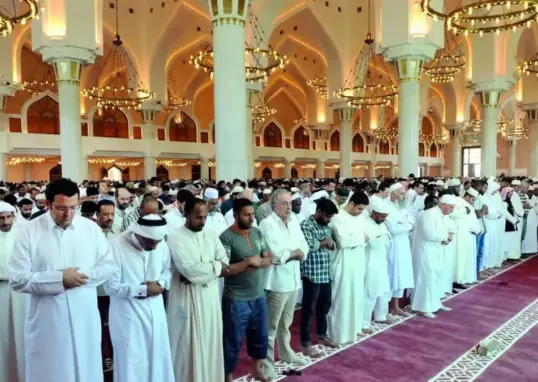
Ramzan 2026 Date: Eid Al Fitr Expected on March 20
Eid Al Fitr is expected to be celebrated on March 20, 2026, following the conclusion of Ramadan on March 19. Public sector...
Read out all