

What do the rising temperatures in Maharashtra mean for residents?
The recent surge in temperatures across Maharashtra has raised significant concerns about health and environmental impacts. With Mumbai recording temperatures of 40°C, and other cities like Solapur reaching 40.3°C, the question arises: how will these extreme conditions affect the population?
As of now, the data indicates that the rise in temperatures is occurring earlier than usual for March. Kolhapur has reported a maximum temperature of 37.1°C, while Sangli and Satara recorded 38.2°C and 37.3°C, respectively. Mahabaleshwar, known for its cooler climate, has also seen a rise, with temperatures hitting 30.7°C. This early onset of heat is concerning, especially as it deviates from historical weather patterns.
According to local residents, the heat has already begun to feel oppressive. Mukesh Raut, a resident of Solapur, remarked, “It feels like a heatwave in the daytime in just the second week of March.” This sentiment is echoed by health professionals who are witnessing a concerning trend. Dr. Aditya Bari noted, “Normally we start seeing heat-related patients after mid-April or towards the end of April and May. But this time we are seeing them in the first half of March itself, which is definitely earlier than usual.”
The implications of these rising temperatures extend beyond mere discomfort. Health authorities have reported an increase in heat-related health issues, including viral infections and other ailments that are exacerbated by extreme heat. The early arrival of such conditions poses a challenge for healthcare systems that are not yet prepared for the typical summer surge in cases.
In Solapur, the maximum temperature rose by 3.4°C compared to the previous day, while Kolhapur experienced a 2.1°C increase. Such rapid fluctuations can lead to significant health risks, particularly for vulnerable populations such as the elderly and those with pre-existing health conditions.
The background context for this situation includes a broader trend of climate change, which is contributing to more frequent and severe weather events. The increase in temperatures is not just a local phenomenon; it reflects a global pattern that has implications for agriculture, water supply, and overall public health.
As the situation develops, it remains to be seen how local governments and health authorities will respond to the challenges posed by these rising temperatures. With the potential for continued heatwaves, residents are advised to take precautions to protect their health. Details remain unconfirmed regarding any specific measures that may be implemented in response to this early heatwave.
Related Posts

Rainbow clouds
An iridescent cloud phenomenon in Bogor, Indonesia, has captured public attention. The event highlights the beauty of atmospheric optics.

El Niño Strengthens, Jakarta BPBD Urges Fire Safety
The Jakarta BPBD has issued an urgent warning to residents about increased fire risks linked to the strengthening El Niño phenomenon. They...
Read out all
Natural Gas Crisis Hits India’s Textile Sector
India's textile industry is grappling with a significant crisis caused by a shortage of natural gas and rising costs, worsened by geopolitical...
Read out all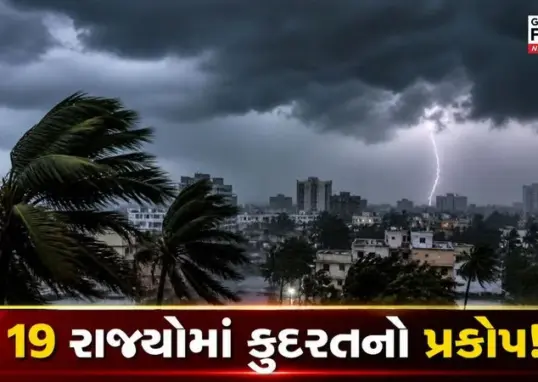
Weather Alert: A Powerful Western Disturbance in India
A powerful western disturbance is affecting 19 states in India, bringing severe weather conditions. The India Meteorological Department has issued thunderstorm warnings...
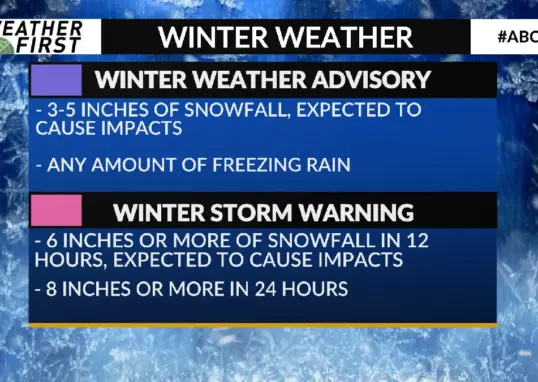
Winter storm warning
A rare May blizzard is threatening major highway closures and travel chaos in the Sierra Nevada. Snowfall totals could reach up to...
Read out all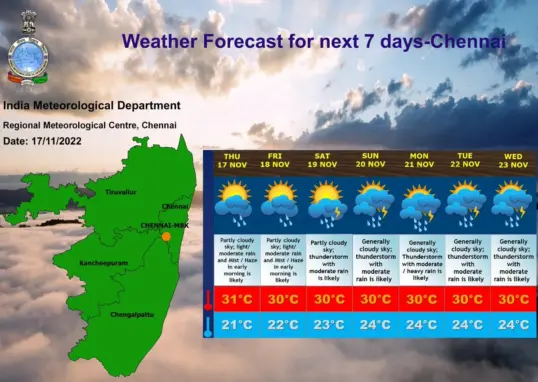
Weather report today
Hyderabad is experiencing extreme heat today with a maximum temperature of 42°C. Other regions in India are under weather alerts for thunderstorms...
Read out all