
Recent Weather Events in Srinagar
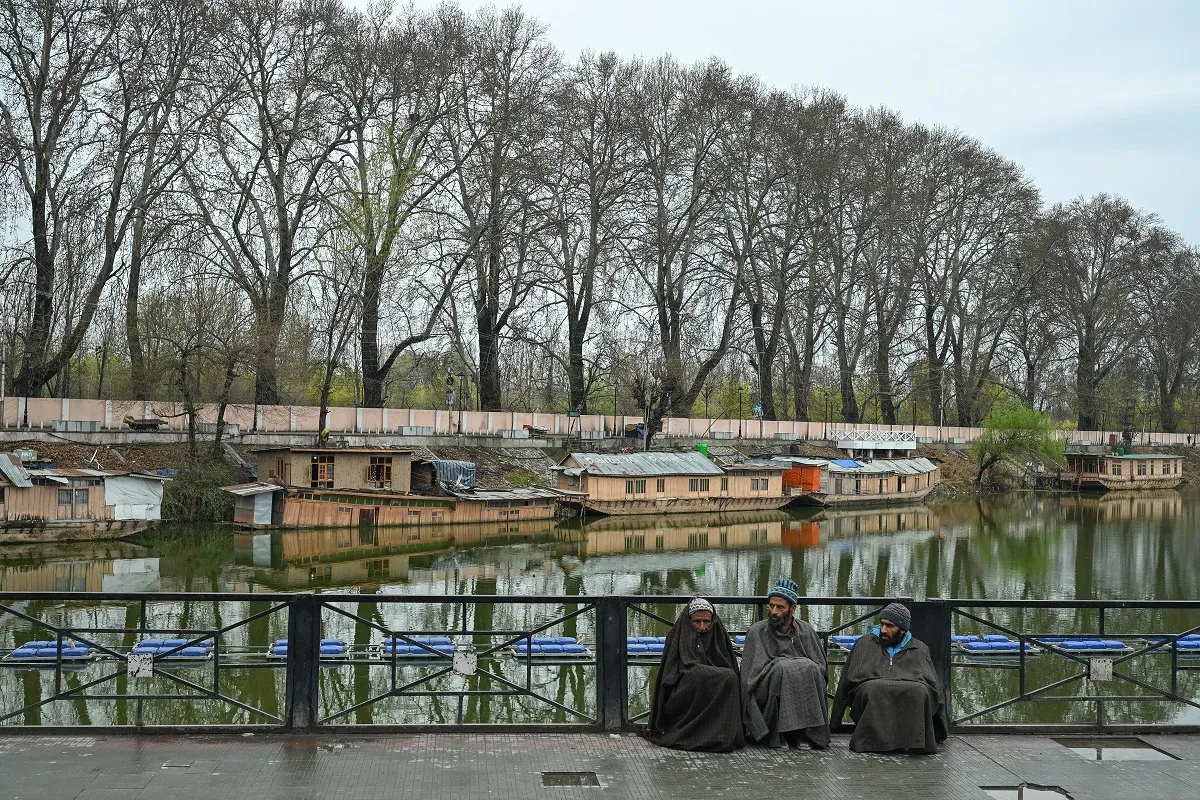
On March 11, 2026, the weather in Srinagar and the surrounding regions of Kashmir showcased a mix of conditions. Just before this date, the region had been experiencing a prolonged period of erratic weather, culminating in fresh snowfall in the higher reaches of Kashmir while several plains, including Srinagar, witnessed light to moderate rain.
During the 24 hours leading up to 8:30 am on March 11, light to moderate precipitation was recorded across various locations in Kashmir. Specifically, Kupwara received approximately 6.4 mm of rain, Gulmarg recorded 2.8 mm, and Srinagar itself registered around 1.2 mm of rainfall. This precipitation is particularly noteworthy given the region’s ongoing weather challenges.
Temperature Trends
In terms of temperature, Srinagar recorded a maximum of 17.6 degrees Celsius, which is about 2.9 degrees above the normal for this time of year. The minimum temperature settled at 10.5 degrees Celsius, significantly higher than the seasonal average by approximately 7.2 degrees. In contrast, Gulmarg experienced the lowest minimum temperature in the Kashmir division at 2.4 degrees Celsius.
Meanwhile, Jammu city reported a maximum temperature of 31.2 degrees Celsius, nearly 5.8 degrees above normal, highlighting the diverse climatic conditions across the region. These temperature variations are indicative of the broader climatic shifts affecting the area.
Winter Precipitation Deficit
The current weather patterns come on the heels of a challenging winter season for the region. The core winter period from December 2025 to February 2026 concluded with a significant 65 percent precipitation deficit, marking the seventh consecutive winter rainfall deficit for Kashmir. This prolonged lack of adequate precipitation has raised concerns among local residents and agricultural stakeholders.
The Meteorological Department has indicated that weather conditions across Jammu and Kashmir will remain erratic until at least March 19. This forecast suggests that the region may continue to experience fluctuations in weather, which could impact daily life and agricultural activities.
Current State and Implications
As of now, Srinagar and its surrounding areas are experiencing a mix of mild temperatures and sporadic rainfall. The recent weather events are crucial for the local ecosystem, agriculture, and water supply. However, the erratic nature of the weather raises concerns about the potential for further precipitation deficits in the coming months.
In summary, the weather in Srinagar is currently characterized by above-average temperatures and recent rainfall, but the ongoing erratic conditions could have lasting implications for the region’s climate and agricultural productivity. Local authorities and residents remain vigilant as they navigate these unpredictable weather patterns.
Related Posts

Rainbow clouds
An iridescent cloud phenomenon in Bogor, Indonesia, has captured public attention. The event highlights the beauty of atmospheric optics.

El Niño Strengthens, Jakarta BPBD Urges Fire Safety
The Jakarta BPBD has issued an urgent warning to residents about increased fire risks linked to the strengthening El Niño phenomenon. They...
Read out all
Natural Gas Crisis Hits India’s Textile Sector
India's textile industry is grappling with a significant crisis caused by a shortage of natural gas and rising costs, worsened by geopolitical...
Read out all
Weather Alert: A Powerful Western Disturbance in India
A powerful western disturbance is affecting 19 states in India, bringing severe weather conditions. The India Meteorological Department has issued thunderstorm warnings...
Winter storm warning
A rare May blizzard is threatening major highway closures and travel chaos in the Sierra Nevada. Snowfall totals could reach up to...
Read out all
Weather report today
Hyderabad is experiencing extreme heat today with a maximum temperature of 42°C. Other regions in India are under weather alerts for thunderstorms...
Read out all