

What the data shows
The recent developments surrounding the National Medical Commission (NMC) in India raise critical questions about the state of medical education and practice in the country. Why are junior doctors and foreign medical graduates (FMGs) protesting, and what does this mean for the future of healthcare in India? The answer lies in a combination of low salaries, inadequate compensation for online classes, and ongoing issues with quackery that continue to plague the medical system.
On March 18, 2026, protests erupted in Kerala as junior doctors demanded better pay, with many appealing for a daily wage of Rs. 1,300. This comes amid a broader context where nurses are also protesting for a minimum monthly salary of Rs. 40,000, highlighting the growing discontent within the healthcare workforce. The NMC’s recent decision to withdraw 12 super-speciality seats from the NEET SS Round 1 seat matrix for 2025 has further fueled frustrations among medical professionals.
In response to the protests, the NMC has agreed to revise the FMGE guidelines, a move that FMGs are heralding as a victory. This decision follows significant unrest over the lack of compensation for online classes, which has been a contentious issue since the pandemic shifted many educational formats online. The FMGs’ claims of victory are underscored by the NMC’s acknowledgment of the need for reform in this area.
However, the situation is complicated by the persistent issue of quackery in the medical field. Reports indicate that quackery continues to thrive despite existing NMC laws, exposing the inaction of state councils to enforce regulations effectively. This ongoing problem raises concerns about patient safety and the integrity of medical practice in India.
Additionally, the NMC is facing challenges in the cathode materials market, which is driven by OEM demand and long-term agreements. High-nickel NMC chemistries are competing for dominance in premium passenger vehicles, indicating a broader context of technological advancements that may impact the medical sector indirectly. Supply chain security has become a primary procurement driver for OEMs and Tier-1 manufacturers, reflecting the interconnectedness of various industries.
As the protests continue, the exact timeline for issuing the revised FMGE guidelines remains unconfirmed. This uncertainty adds to the tension among medical professionals who are advocating for immediate changes to improve their working conditions and educational frameworks.
In summary, the NMC is at a crossroads, facing significant pressure from junior doctors, FMGs, and other stakeholders within the healthcare system. The outcomes of these protests and the NMC’s responses will likely shape the future of medical education and practice in India, as well as the overall healthcare landscape.
Related Posts

Amritsar news: Two explosions occur near military installations in Punjab
Two low-intensity explosions occurred near military installations in Punjab, raising security concerns. Investigations are underway by local authorities.
Read out all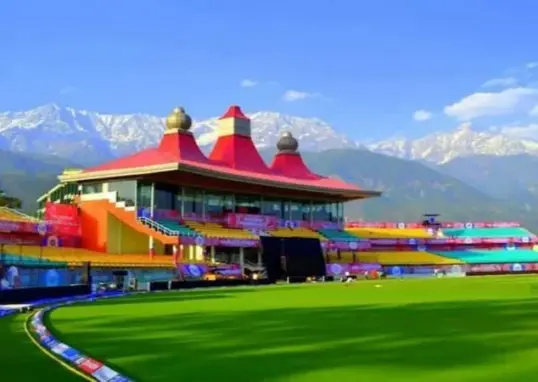
Mullanpur Hosts IPL 2026 Playoffs After Venue Shift
The IPL 2026 final venue has been moved from Bengaluru to Ahmedabad. This change comes amid local association requirements surpassing BCCI's guidelines.
Read out all
Pakistan Navy
The Pakistan Navy provided humanitarian aid to an Indian vessel in distress, showcasing cross-border cooperation. This incident highlights maritime safety efforts.

Tamil Nadu Assembly Elections 2026: Thalapathy Vijay’s TVK Emerges as the Largest Party
Thalapathy Vijay's party, TVK, has emerged as the single largest party in the 2026 Tamil Nadu Assembly Elections, reshaping local politics.
Read out all
Kashmira pardeshi: Suvinder Vicky redefines alpha with
Suvinder Vicky redefines being an alpha by prioritizing family responsibility over traditional power dynamics. His new show, Glory, explores boxing and family...
Read out all
Offs: Tata Tech’s Profit Margins Dip Despite Growth in Q4
Tata Technologies reported an 8% profit increase in Q4, but margins contracted year-over-year due to one-off factors. Management remains optimistic about future...
Read out all