
How it unfolded
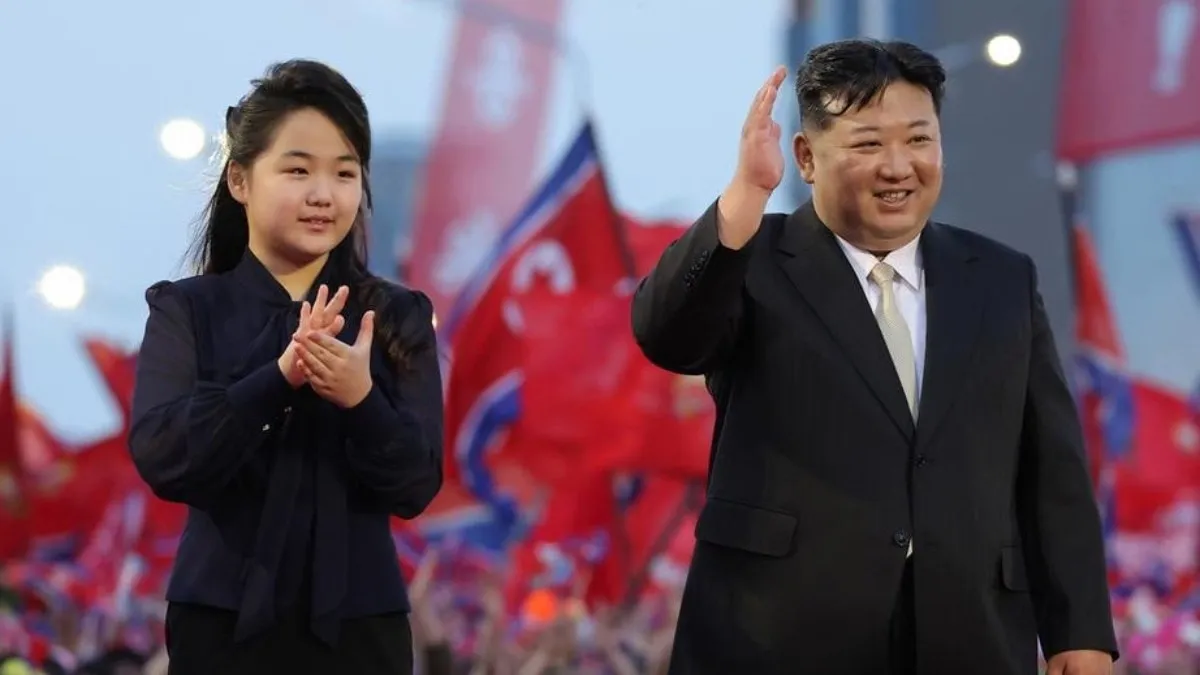
On March 15, 2026, North Korea held its parliamentary elections, a significant event in the country’s political landscape. The elections were closely monitored by international observers, given the historical context of North Korean politics and the leadership of Kim Jong Un, who has been in power since 2011 following the death of his father, Kim Jong Il.
As the day of the election approached, the ruling Workers’ Party of Korea had already pre-selected candidates for the Supreme People’s Assembly, which consists of 687 representatives. This pre-selection process left voters with a binary choice, as is customary in North Korean elections. Despite this limitation, the elections were notable for the exceptionally high voter turnout, reported at 99.99%.
When the results were announced, Kim Jong Un scored an overwhelming 99.93% of the votes. This figure, while reflecting the party’s dominance, also highlighted an unprecedented acknowledgment of dissent within the electoral process. For the first time since 1957, the elections recorded that 0.07% of voters rejected the official candidates, a development that could suggest a subtle shift in the political climate.
Additionally, the elections saw a very small fraction of voters unable to participate due to being abroad or at sea, accounting for 0.0037% of registered voters. Furthermore, a mere 0.00003% of registered voters abstained from voting altogether, indicating a highly engaged electorate despite the controlled nature of the electoral process.
The acknowledgment of dissenting votes, albeit minimal, is significant in the context of North Korean politics, where public expression of disagreement has historically been suppressed. This change may reflect a growing awareness among the populace or a strategic move by the regime to project an image of legitimacy and responsiveness.
Currently, the political landscape in North Korea remains firmly under the control of Kim Jong Un and the Workers’ Party of Korea. The results of the 2026 elections reinforce the party’s grip on power, yet the slight emergence of dissent could signal potential changes in the future, albeit within the tightly controlled political framework.
This sequence of events matters not only for the internal dynamics of North Korea but also for international observers and analysts who monitor the country’s political stability and human rights situation. The elections serve as a reminder of the complexities within a regime that balances strict control with the need to appear legitimate in the eyes of its citizens and the world.
Related Posts
Amritsar news: Two explosions occur near military installations in Punjab
Two low-intensity explosions occurred near military installations in Punjab, raising security concerns. Investigations are underway by local authorities.
Read out all
Mullanpur Hosts IPL 2026 Playoffs After Venue Shift
The IPL 2026 final venue has been moved from Bengaluru to Ahmedabad. This change comes amid local association requirements surpassing BCCI's guidelines.
Read out all
Pakistan Navy
The Pakistan Navy provided humanitarian aid to an Indian vessel in distress, showcasing cross-border cooperation. This incident highlights maritime safety efforts.

Tamil Nadu Assembly Elections 2026: Thalapathy Vijay’s TVK Emerges as the Largest Party
Thalapathy Vijay's party, TVK, has emerged as the single largest party in the 2026 Tamil Nadu Assembly Elections, reshaping local politics.
Read out all
Kashmira pardeshi: Suvinder Vicky redefines alpha with
Suvinder Vicky redefines being an alpha by prioritizing family responsibility over traditional power dynamics. His new show, Glory, explores boxing and family...
Read out all
Offs: Tata Tech’s Profit Margins Dip Despite Growth in Q4
Tata Technologies reported an 8% profit increase in Q4, but margins contracted year-over-year due to one-off factors. Management remains optimistic about future...
Read out all