
The wider picture
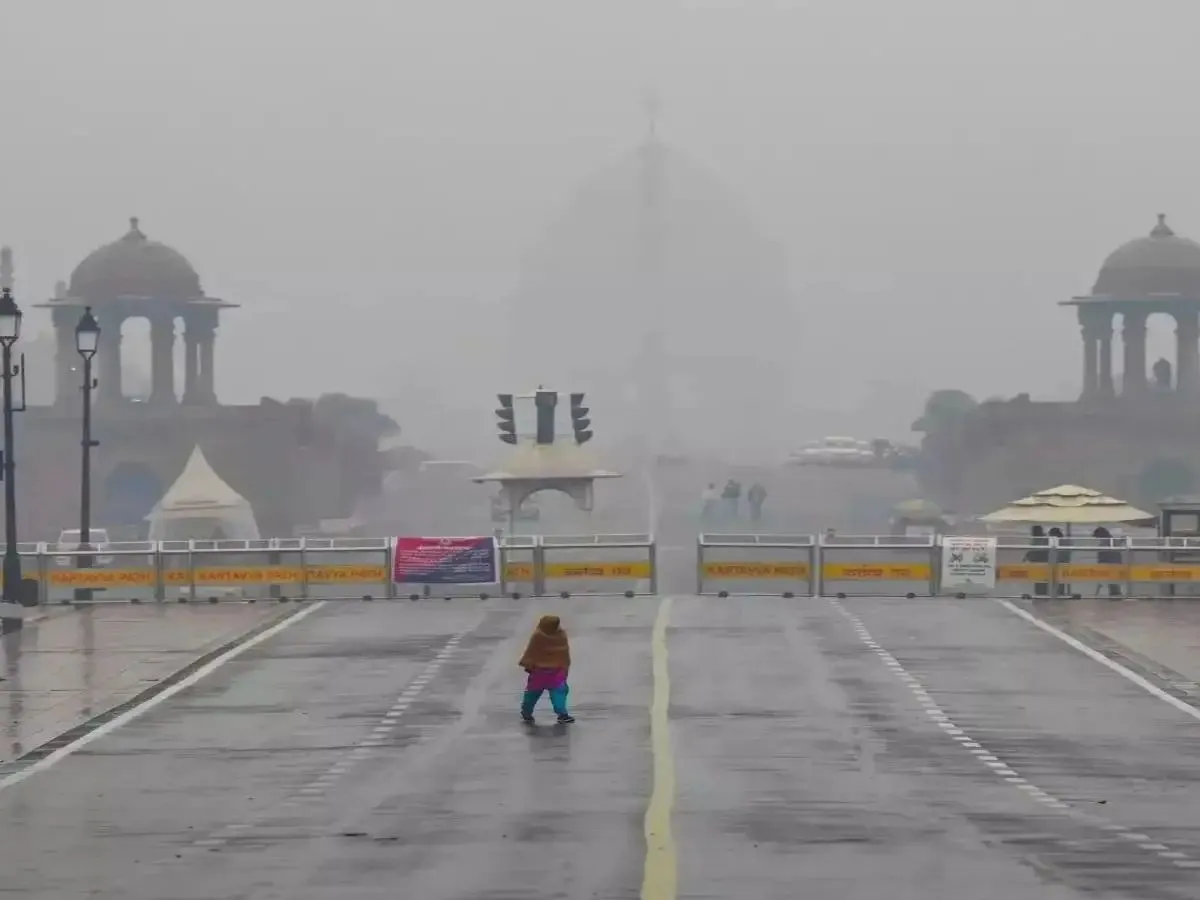
Delhi is currently experiencing high daytime temperatures, averaging around 33°C, typical for this time of year. However, the India Meteorological Department (IMD) has issued a forecast indicating a significant shift in weather patterns starting March 18, 2026. Rain accompanied by thunderstorms and gusty winds is expected to sweep across the capital, marking a notable change in the prevailing conditions.
In response to the anticipated weather disruptions, the IMD has issued a yellow alert for Delhi from March 18 to 20. This alert serves as a warning to residents about potential disturbances, urging them to exercise caution while commuting or planning outdoor activities. The yellow alert indicates that citizens should remain vigilant as the weather could impact daily routines.
The impending rainfall is expected to provide temporary relief from the high temperatures, with daytime highs predicted to drop to around 29°C on March 19. Nighttime temperatures are also expected to decrease, with lows around 19°C. Following this, on March 20, maximum temperatures are likely to fall further to 27°C, while minimums could reach as low as 17°C.
Historical data shows that the average precipitation in Delhi on March 19 was recorded at 9.4 mm, making it the wettest March since 2023. Additionally, the maximum temperature recorded on that day was 26.8°C, the lowest so far this month, indicating a significant cooling trend.
Following the rainfall, Delhi’s air quality index (AQI) improved to 137, placing it in the ‘moderate’ category. This improvement in air quality is a welcome change for residents, as the rain has helped to alleviate some of the pollution that typically plagues the city.
Fog was also reported in various parts of Delhi, attributed to a mix of rain-soaked air and the overnight cooling that followed the rainfall. The minimum temperatures dropped sharply to 13°C, creating an unusual overlap of winter-like mornings and pre-summer afternoons. This phenomenon has caught the attention of meteorologists and residents alike.
According to Mahesh Palawat, a meteorologist, the current weather changes are linked to a western disturbance system positioned over North Pakistan and adjoining Jammu and Kashmir. This system has been responsible for the heavy rainfall in the western Himalayan regions and is now influencing Delhi’s weather patterns. Palawat noted that the pre-monsoon activity has arrived earlier than usual this year, which may have implications for the upcoming summer season.
Looking ahead, the IMD predicts that another spell of rain could hit the capital early next week, suggesting that the current weather fluctuations may continue. Temperatures in Delhi are currently running below what is typical for late March, indicating a significant shift in seasonal weather patterns. As the situation develops, residents are advised to stay updated on weather forecasts and alerts.
Related Posts

Earthquake in delhi just now
A 5.9-magnitude earthquake originating from the Hindu Kush region was felt across Delhi and North India, causing strong tremors but no immediate...
Read out all
Earthquake today
A 5.9-magnitude earthquake struck Afghanistan's Hindu Kush region, causing tremors felt in Delhi-NCR and several cities in North India.
Read out all
Earthquake Strikes Delhi-NCR: Magnitude 5.9 Tremors Felt Across Northern India
On April 3, 2026, a magnitude 5.9 earthquake struck Delhi-NCR, with tremors felt across northern India. The epicenter was near Jurm in...
Read out all
Australia Tropical Cyclone Red Sky
The recent red sky in Australia was a result of atmospheric dust from Tropical Cyclone Narelle, impacting multiple regions.
Read out all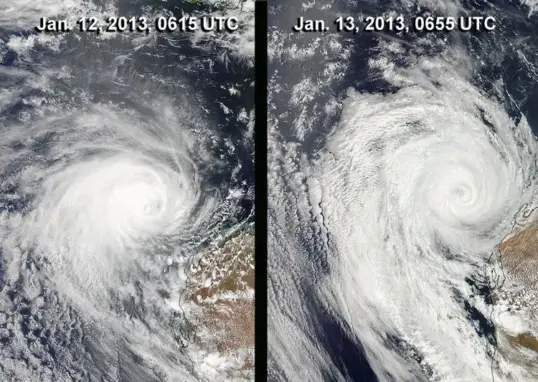
Tropical Cyclone Narelle Red Sky
Tropical Cyclone Narelle has led to a striking red sky in Western Australia, with significant impacts from dust storms and high winds.

Weather Jalandhar: Intermittent Rains and Strong Winds Expected
Jalandhar is currently facing intermittent rains and strong winds as an active Western Disturbance affects the region.
Read out all