
The central question surrounding the ongoing war is whether Iran is genuinely seeking a deal to end the conflict. U.S. President Donald Trump has asserted that Iran wants “to make a deal,” suggesting a willingness to negotiate. However, Iranian officials, including Mohammad Bagher Qalibaf, have countered that no negotiations have taken place with the U.S.
The war, initiated by the United States and Israel, has resulted in over 2,000 deaths, with Iran’s Health Ministry reporting more than 1,500 fatalities within its borders. Additionally, Israeli strikes have led to over 1,000 deaths in Lebanon and displaced more than 1 million people.
As of June 2025, Iran has amassed 440.9 kilograms of highly enriched uranium, having completed 99% of the centrifuge work necessary for producing weapons-grade uranium for nine nuclear weapons. This escalation in Iran’s nuclear capabilities raises concerns among its adversaries.
Trump’s comments about Iran’s desire for peace come amid a backdrop of significant military actions and retaliatory threats. Iran’s paramilitary Revolutionary Guard has vowed retaliation if Trump follows through on his threats, indicating a volatile situation.
Regional dynamics are also at play, with Pakistan maintaining a Strategic Mutual Defence Agreement with Saudi Arabia and a bilateral trade volume of nearly $5 billion. Pakistan’s trade with Iran stands at approximately $3 billion, highlighting the complex interdependencies in the region.
Moreover, Pakistan’s Shia population, which constitutes about 20% of the country, adds another layer of complexity to the situation, as Iran has shown a strong willingness to strike its adversaries forcefully.
Details remain unconfirmed regarding the identity of the Iranian leader that U.S. envoy Steve Witkoff and Jared Kushner spoke with, as well as the exact nature of the negotiations between the U.S. and Iran. The ongoing conflict continues to evolve, with both sides preparing for potential escalations.
As the situation develops, the international community watches closely, particularly regarding the implications for energy markets and regional stability. The psychological warfare surrounding the conflict has raised concerns that the Strait of Hormuz may not return to prewar conditions, further complicating the geopolitical landscape.
Related Posts
Governance
The DMK raises concerns about the lack of anti-incumbency in BJP-ruled states. They highlight issues affecting opposition parties.
Read out all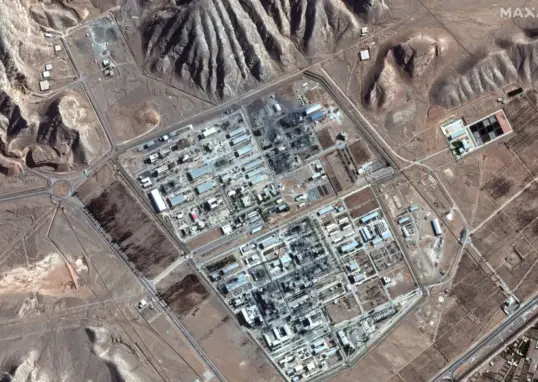
Us iran news
Trump has paused the 'Project Freedom' operation, indicating possible advancements in US-Iran negotiations amidst rising tensions in the Strait of Hormuz.
Cv shanmugam and internal dissent in AIADMK
Internal dissent within the AIADMK is escalating as a faction of MLAs considers backing Vijay's TVK for government formation. CV Shanmugam plays...

Rahul Gandhi’s Confrontational Question to Selvaperunthagai
Rahul Gandhi confronted Selvaperunthagai with a tough question, stirring speculation ahead of the Vijay swearing-in ceremony.
Anbumani Ramadoss Increases Tension in Tamil Nadu Politics
Vijay rejected Anbumani Ramadoss's demand for a Deputy Chief Minister post for his wife, escalating tensions in Tamil Nadu's coalition talks.
Read out all
Us aircraft declared an emergency and disappeared over qatar
A US military KC-135 tanker has gone missing after declaring an emergency over the Persian Gulf. The incident raises concerns amid escalating...