
How it unfolded
In a significant development for education in India, Mumbai has launched its first ‘Signal School’ aimed at providing education to street children. This initiative is particularly crucial as many of these children, aged between 5 and 13, often assist their families in selling goods at traffic signals, limiting their access to formal education.
The opening of the Signal School marks a pivotal moment in addressing the educational needs of vulnerable populations in urban settings. Bhatu Sawant, an educator involved in the initiative, noted, “We have to do far more counselling. Once we explain changing times and show them the school, they usually agree.” This statement reflects the challenges faced in convincing families to prioritize education over immediate economic contributions.
Among the students attending the Signal School is Tannu Kale, who shared her experience, stating, “Earlier I travelled with my father all day. Now I come to school and go to the garden in the evening. Marathi and singing are my favourite.” Such testimonials highlight the positive impact that educational initiatives can have on the lives of children who would otherwise remain outside the formal education system.
In parallel, the Delhi government has made strides in enhancing its education sector, allocating Rs 19,326 crore for the 2026-27 fiscal year. This budget is slightly higher than the previous year’s allocation of Rs 19,291 crore, indicating a commitment to improving educational infrastructure and resources.
The Delhi government’s plans include the introduction of a ‘Private Play Schools Policy’ aimed at regulating play schools, as well as the establishment of 10 Kendriya Vidyalayas in the capital to empower youth. Additionally, a proposal of Rs 5 crore has been made to establish medical rooms in every government school, ensuring better health facilities for students.
Furthermore, the government has set aside Rs 10 crore for the integration of artificial intelligence in assessment systems and examination processes, reflecting a modern approach to education. This initiative aims to streamline educational assessments and enhance the learning experience for students.
As India’s higher education system serves over four crore students, making it one of the largest in the world, these developments in Mumbai and Delhi are crucial for shaping the future of education in the country. The focus on street children in Mumbai and the increased budget in Delhi underscore the importance of inclusive education policies.
Currently, both initiatives represent a growing recognition of the need to address educational disparities and provide opportunities for all children, regardless of their socio-economic background. The success of these programs will be vital in determining the future landscape of education in India, particularly for marginalized communities.
Related Posts
BPSC AEDO Admit Card Released for 2026 Exam
The BPSC has released the admit card for the Assistant Education Development Officer exam scheduled for April 2026. Candidates can download it...
Read out all
UPSC Civil Services Examination Update
The UPSC Civil Services Examination is scheduled for April 12, 2026, with a large number of candidates anticipated to participate.
Read out all
UPPSC Principal Recruitment Updates
The Uttar Pradesh Public Service Commission has released admit cards for the Principal recruitment exam. Candidates can download them until April 9,...
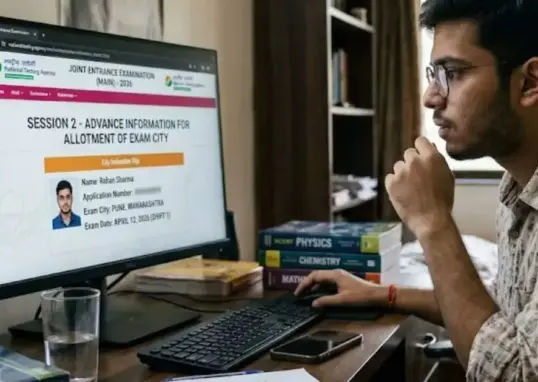
JEE Admit Card Release Expected Soon
The admit card for the JEE Main April 2026 exams is anticipated to be released shortly, providing crucial information for candidates.
Read out all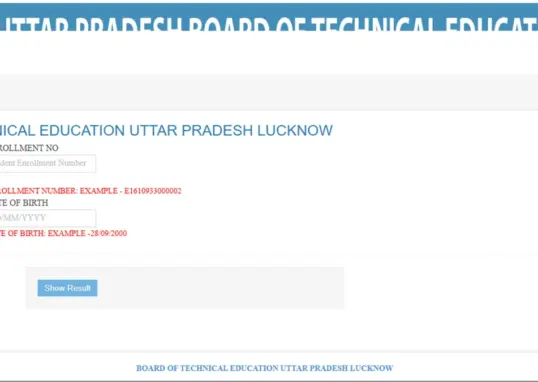
BTEUP Result Update: Re-evaluation Results Released for 2026
BTEUP has announced the re-evaluation results for the 2026 odd semester and special back paper exams, allowing students to check their updated...
Census 2027: India’s First Fully Digital Population Count
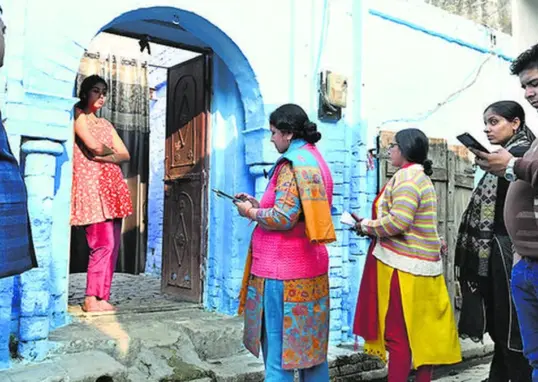
Census 2027 will be conducted in two phases, marking a significant shift in India's enumeration process.