
The wider picture
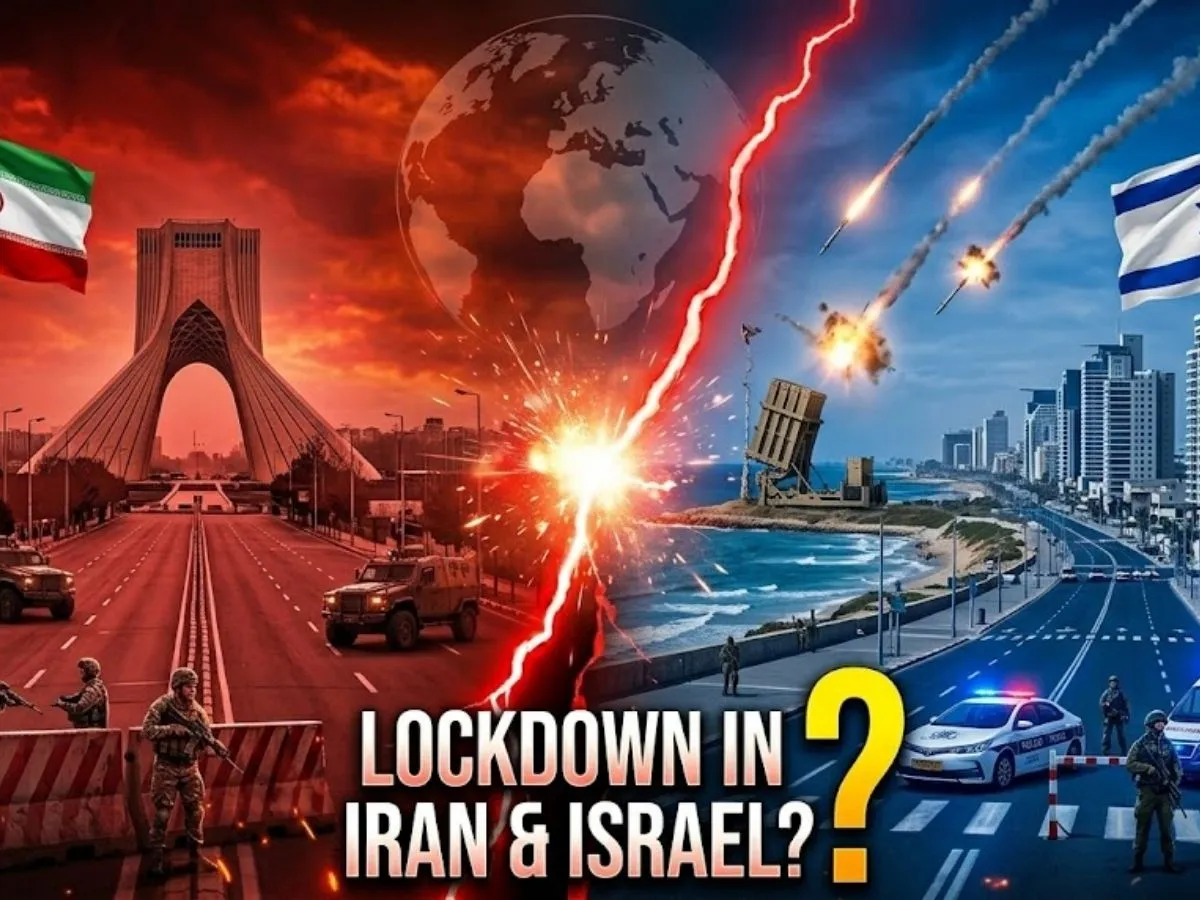
The Iran-Israel war began with the US and Israel launching assaults against Iran on February 28, killing Ayatollah Ali Khamenei. This marked a significant escalation in hostilities, leading to severe consequences for both nations. Currently, Iran and Israel are experiencing severe ‘de facto’ lockdowns due to ongoing air and missile strikes, infrastructure collapse, and travel bans.
Israel is under a state of high military alert, although there is no nationwide lockdown. Instead, strict guidelines have been issued that effectively create a partial lockdown in many areas. Meanwhile, Iran has become largely inaccessible for standard activity, with massive waves of airstrikes targeting its infrastructure and military facilities.
In addition to the humanitarian crisis, the conflict has severely impacted the global oil market. The Strait of Hormuz, a crucial maritime route through which 20% of the world’s oil passes, is currently under a blockade, leading to a staggering 97% drop in traffic. This disruption has triggered a global oil supply shock, with Brent crude prices soaring to between $100 and $120 per barrel during the crisis.
Casualties have been significant, with reports indicating that over 1,900 to over 3,000 people have been killed in Iran, alongside at least 15-17 deaths in Israel since the conflict began. The situation has also escalated in Lebanon, where around 1,000 deaths have been reported since Hezbollah entered the conflict.
Airspace across much of the Middle East is heavily restricted or closed, grounding millions of passengers and stranding travelers. Panic has even spread to countries like India, where rumors of a potential lockdown arose, although the government confirmed there is no planned lockdown.
Internationally, the International Energy Agency has characterized the situation as the largest supply disruption in the history of the global oil market. Observers note that the consequences of the conflict in the Middle East are still difficult to predict, with Russian President Vladimir Putin suggesting that the estimates of impact could be compared to those of the coronavirus epidemic.
As the situation evolves, Indian Prime Minister Narendra Modi emphasized the need for readiness in facing unforeseen challenges, while the focus remains on ensuring an uninterrupted supply of petroleum products, liquefied petroleum gas, and fertilizers. Details remain unconfirmed regarding the potential for a complete lockdown in either Iran or Israel, but severe movement restrictions are currently in place.
Related Posts
Governance
The DMK raises concerns about the lack of anti-incumbency in BJP-ruled states. They highlight issues affecting opposition parties.
Read out all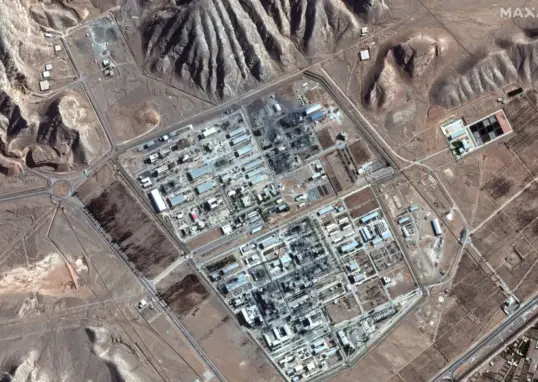
Us iran news
Trump has paused the 'Project Freedom' operation, indicating possible advancements in US-Iran negotiations amidst rising tensions in the Strait of Hormuz.
Cv shanmugam and internal dissent in AIADMK
Internal dissent within the AIADMK is escalating as a faction of MLAs considers backing Vijay's TVK for government formation. CV Shanmugam plays...

Rahul Gandhi’s Confrontational Question to Selvaperunthagai
Rahul Gandhi confronted Selvaperunthagai with a tough question, stirring speculation ahead of the Vijay swearing-in ceremony.
Anbumani Ramadoss Increases Tension in Tamil Nadu Politics
Vijay rejected Anbumani Ramadoss's demand for a Deputy Chief Minister post for his wife, escalating tensions in Tamil Nadu's coalition talks.
Read out all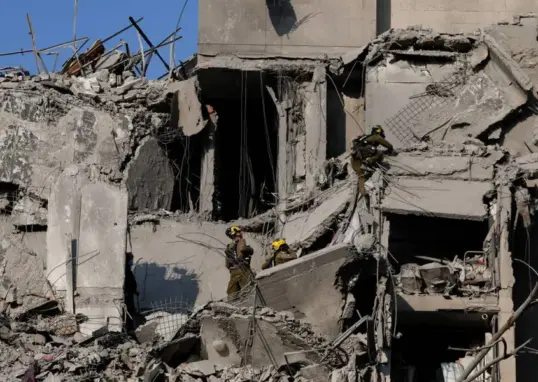
Us aircraft declared an emergency and disappeared over qatar
A US military KC-135 tanker has gone missing after declaring an emergency over the Persian Gulf. The incident raises concerns amid escalating...