
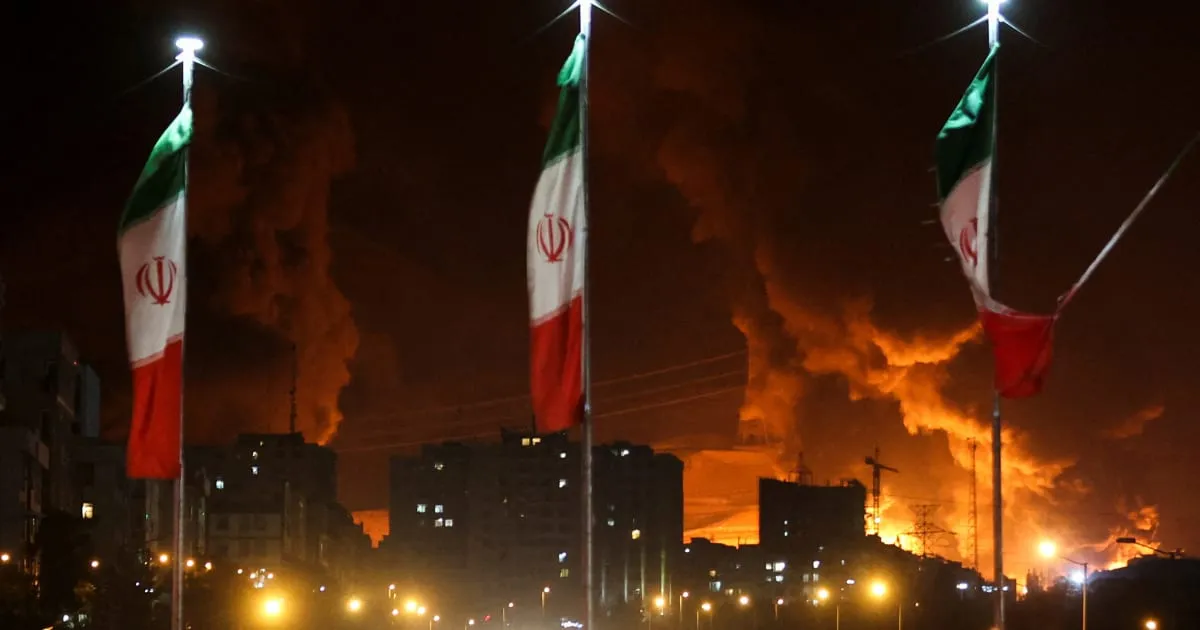
The ongoing conflict involving Iran has escalated dramatically following the United States and Israel’s attack on February 28, 2026, which resulted in the death of Supreme Leader Ayatollah Ali Khamenei. This event has triggered a series of retaliatory actions from Iran, including attacks on U.S. military facilities and civilian infrastructure in Gulf states.
According to Iran’s ambassador to the United Nations, over 1,500 civilians have been reported killed as a direct consequence of this conflict. The situation has intensified further with the closure of the Strait of Hormuz, a critical chokepoint for global oil shipments, leading to a significant energy shock worldwide.
In response to the crisis, the International Energy Agency has released 400 million barrels from its strategic reserve to mitigate the impact of the supply disruption. The closure of the strait has left 10 foreign tankers and 18 Indian vessels stranded, exacerbating the situation for global energy markets.
India, which had not imported Iranian crude oil since May 2019 due to U.S. sanctions, is expected to receive its first shipment of Iranian crude oil by April 4, 2026. This shipment is anticipated to be around 600,000 barrels, marking a significant shift in India’s energy sourcing strategy.
Historically, India’s imports of Iranian crude oil had been substantial, reaching 23-24 million tonnes annually before sanctions were imposed. The renewed importation of Iranian oil could alter the dynamics of India’s energy landscape, although the long-term implications remain uncertain.
Former President Donald Trump has publicly stated that securing the Strait of Hormuz is not a U.S. responsibility, urging allies to “go get your own oil.” This statement reflects a broader shift in U.S. foreign policy regarding energy security in the region.
Iran’s Foreign Minister Abbas Araghchi has characterized the U.S. and Israeli attack as “an act of war,” indicating the severity of the situation. The conflict has escalated into what some analysts describe as a regional war, with widespread ramifications for critical supply chains and humanitarian aid.
Details remain unconfirmed regarding the exact impact of the closure of the Strait of Hormuz on global energy supplies. As the situation develops, the international community watches closely for further developments that could reshape the geopolitical landscape.
Related Posts

Amritsar news: Two explosions occur near military installations in Punjab
Two low-intensity explosions occurred near military installations in Punjab, raising security concerns. Investigations are underway by local authorities.
Read out all
Mullanpur Hosts IPL 2026 Playoffs After Venue Shift
The IPL 2026 final venue has been moved from Bengaluru to Ahmedabad. This change comes amid local association requirements surpassing BCCI's guidelines.
Read out all
Pakistan Navy
The Pakistan Navy provided humanitarian aid to an Indian vessel in distress, showcasing cross-border cooperation. This incident highlights maritime safety efforts.

Tamil Nadu Assembly Elections 2026: Thalapathy Vijay’s TVK Emerges as the Largest Party
Thalapathy Vijay's party, TVK, has emerged as the single largest party in the 2026 Tamil Nadu Assembly Elections, reshaping local politics.
Read out all
Kashmira pardeshi: Suvinder Vicky redefines alpha with
Suvinder Vicky redefines being an alpha by prioritizing family responsibility over traditional power dynamics. His new show, Glory, explores boxing and family...
Read out all
Offs: Tata Tech’s Profit Margins Dip Despite Growth in Q4
Tata Technologies reported an 8% profit increase in Q4, but margins contracted year-over-year due to one-off factors. Management remains optimistic about future...
Read out all