
Introduction
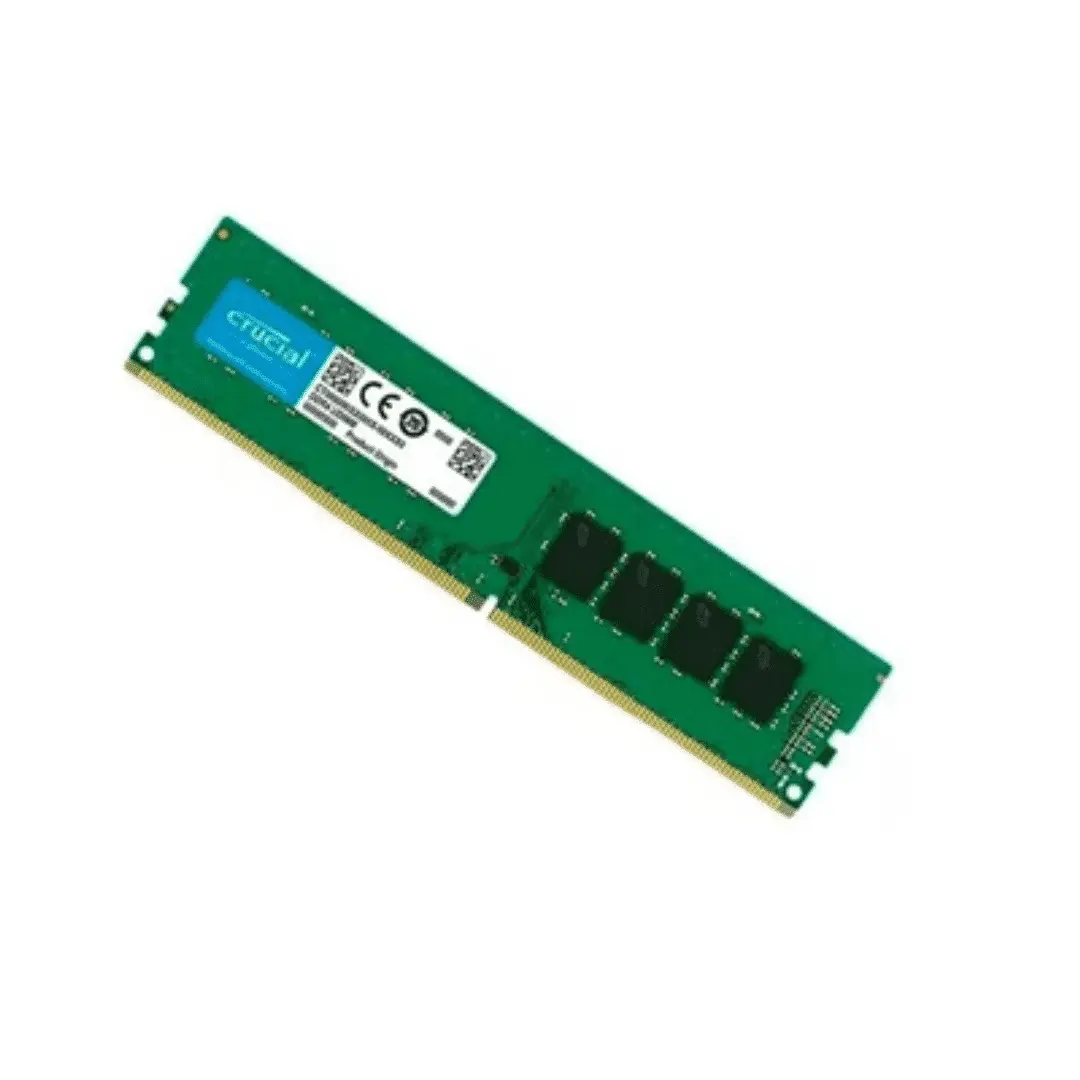
Random Access Memory (RAM) plays a crucial role in the functionality and performance of computers, smartphones, and other electronic devices. As technology continues to advance, understanding RAM and its various types has become increasingly important for consumers and tech enthusiasts alike. This article will delve into what RAM is, its significance, the different types available in the market today, and how it affects overall device performance.
What is RAM?
RAM is a type of volatile storage that temporarily stores data that your computer is actively using or processing. Unlike hard drives or solid-state drives that retain data even when the power is off, RAM requires a constant power supply to maintain its data. When you run applications, open files, or play games, RAM facilitates quicker reading and writing processes, drastically improving overall system responsiveness.
The Importance of RAM in Performance
More RAM generally means better performance, especially for multitasking environments. Users running several applications simultaneously will notice that systems with higher RAM capacities handle the load more smoothly than those with lower amounts. For instance, modern software applications, especially video editing tools, 3D modeling programs, and gaming software, demand more memory resources, making adequate RAM critical for optimal performance.
Types of RAM
There are several types of RAM available, with the most common being:
- Dynamic RAM (DRAM): This is the most commonly used type in personal computers. It stores each bit of data in a separate capacitor within an integrated circuit, which needs to be refreshed thousands of times per second.
- Static RAM (SRAM): Faster than DRAM, SRAM does not need to be refreshed as often and is primarily used in cache memory applications.
- Synchronous Dynamic RAM (SDRAM): This type synchronizes with the CPU’s clock speed, improving performance and efficiency.
- Double Data Rate SDRAM (DDR SDRAM): A variant of SDRAM that transfers data on both the rising and falling edges of the clock cycle, allowing for higher throughput.
Conclusion
As technology progresses, RAM continues to evolve, influencing the capabilities of devices we rely on daily. Understanding the differences between types of RAM, its importance in system performance, and recognizing your own needs can empower consumers when purchasing new devices or upgrading existing systems. For those looking to enhance their computing experience, investing in sufficient RAM is vital. With an increasing number of applications and demanding software environments, the right amount of RAM has never been more critical.
Related Posts

Vivo x300 fe price
The Vivo X300 FE is expected to launch at Rs 79,999, a notable increase from the previous model. This smartphone aims to...
Read out all
The boys season 5 episode 6 release date
Episode 6 of The Boys Season 5 will debut on May 6, 2026. It will be available on Prime Video and in...

Google Pixel 11
The Google Pixel 11 series is expected to launch with significant upgrades in camera technology and a new notification system. The enhancements...
Read out all
Yamaha factor 150 brazil launch
Yamaha launched the Factor DX in Brazil, a motorcycle that runs on 100% ethanol. This aligns with sustainable fuel trends in the...

Anu sharma goes viral after leaving google for palantir
Anu Sharma's transition from Google to Palantir has generated significant buzz on social media, highlighting career growth opportunities in tech.

Smart Electricity
Consumers in Uttar Pradesh will receive a 15-day grace period for prepaid smart meters, simplifying the billing process.