
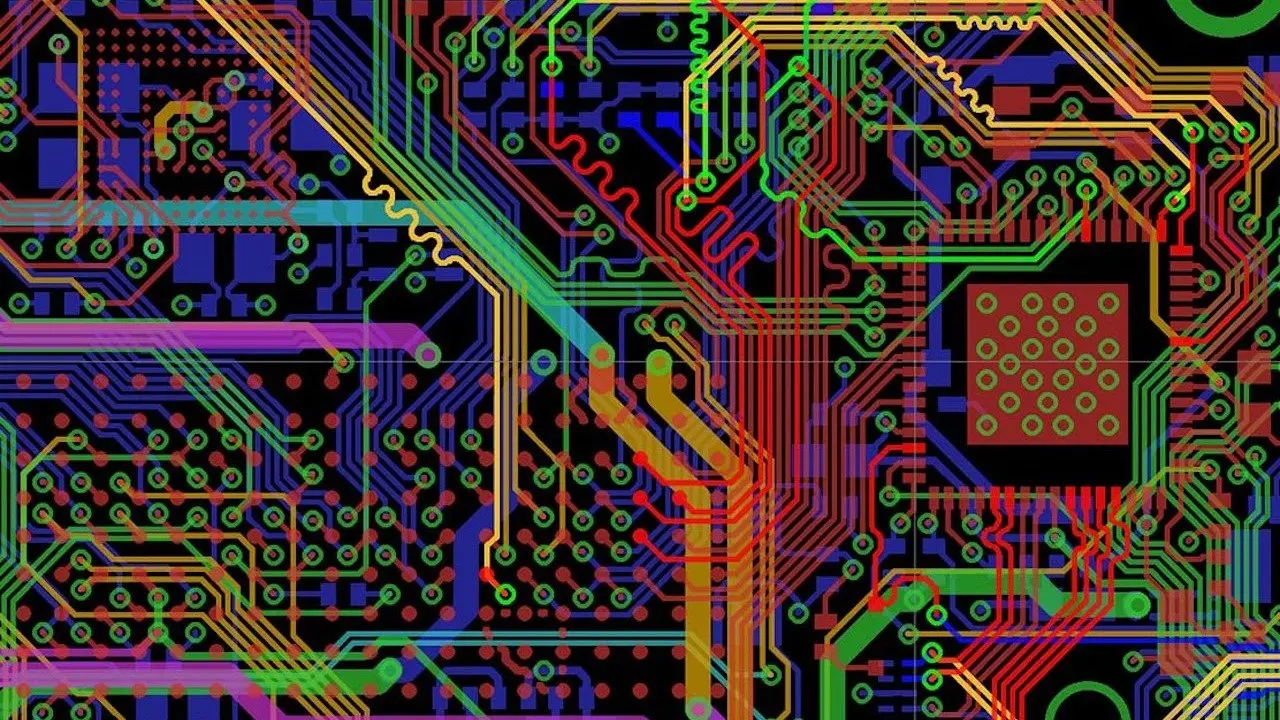
Introduction to PCB Technology
Printed Circuit Boards (PCBs) are an essential component in modern electronic devices, making them a pivotal topic in the tech industry. As the backbone of electronic connections, PCBs facilitate communication and functionality between electronic components. Their importance has surged with the increasing complexity and miniaturization of electronic devices, renewed interest in sustainability, and the advent of smart technologies.
Recent Developments in PCB Technology
According to a recent report by Fortune Business Insights, the global PCB market is expected to reach $79.82 billion by 2028, growing at a CAGR of 4.1% from 2021. This growth is driven by advancements in telecommunications technology, the rise of IoT devices, and an increase in demand for consumer electronics.
New Materials and Innovations
Innovative materials like flexible PCBs and high-density interconnect (HDI) technology are being developed to meet the needs of modern applications. Flexible PCBs, for instance, allow for lighter and more compact designs, which are crucial for wearable technology. These advancements are not only enhancing performance but also enabling manufacturers to create more reliable and efficient products.
Sustainability in PCB Manufacturing
Another key aspect of PCB technology is sustainability. With the growing concern for environmental impact, many companies are now focusing on eco-friendly PCB materials and processes. Efforts are being made to reduce hazardous substances in PCB manufacturing and increase the recyclability of electronic devices. The EU’s RoHS directive, established to restrict hazardous substances in electronic and electrical equipment, has paved the way for greener practices in the industry.
Future Trends and Challenges
Looking ahead, the PCB industry faces several challenges, including supply chain disruptions sparked by the COVID-19 pandemic. However, opportunities persist as new technologies like 5G and electric vehicles drive demand for advanced PCB solutions. Furthermore, the push for smart cities and automated systems will require more intricate and adaptable PCB architectures.
Conclusion
In conclusion, PCBs are a critical foundation of modern electronics, shaping how devices function and interact with our daily lives. As technology continues to evolve, so too must the capabilities and practices within the PCB industry. For consumers and businesses, staying informed about these advancements in PCB technology will be crucial, as they influence everything from device performance to environmental considerations.
Related Posts

Vivo x300 fe price
The Vivo X300 FE is expected to launch at Rs 79,999, a notable increase from the previous model. This smartphone aims to...
Read out all
The boys season 5 episode 6 release date
Episode 6 of The Boys Season 5 will debut on May 6, 2026. It will be available on Prime Video and in...

Google Pixel 11
The Google Pixel 11 series is expected to launch with significant upgrades in camera technology and a new notification system. The enhancements...
Read out all
Yamaha factor 150 brazil launch
Yamaha launched the Factor DX in Brazil, a motorcycle that runs on 100% ethanol. This aligns with sustainable fuel trends in the...

Anu sharma goes viral after leaving google for palantir
Anu Sharma's transition from Google to Palantir has generated significant buzz on social media, highlighting career growth opportunities in tech.

Smart Electricity
Consumers in Uttar Pradesh will receive a 15-day grace period for prepaid smart meters, simplifying the billing process.