

Introduction
The Bharat Bandh scheduled for February 12, 2026, has become a focal point in Indian politics, reminiscent of previous nationwide strikes that have aimed to protest various policies. With labor unions and political parties rallying behind this bandh, the event signifies widespread discontent over issues such as labor rights, inflation, and economic reforms. The relevance of this bandh extends beyond mere inconvenience; it highlights the collective voice of citizens aiming for change in governance.
Details of the Bharat Bandh
This particular Bharat Bandh is organized by a coalition of trade unions and political parties. The initial call for the bandh emerged in response to deteriorating economic conditions, including rising unemployment and the continuous increase in fuel prices. Organizers also express concerns regarding the implementation of new labor codes that they argue undermine workers’ rights.
Over the past weeks, several protests and awareness rallies have taken place across major cities including Delhi, Mumbai, Kolkata, and Chennai, gathering substantial public support. Union leaders have stated that this bandh aims to bring attention to the plight of the working class and to demand urgent reforms from the government. They urge citizens to participate actively, as the success of such movements largely relies on public mobilization.
Impact on Various Sectors
The Bharat Bandh is expected to affect various sectors significantly. Public transport, including buses and trains, may experience disruptions as unions have pledged their support. Banking services, government offices, and educational institutions might also be closed across states to show solidarity with the protest. These disruptions could greatly impact daily life, particularly in urban areas where reliance on public transport is high.
Conclusion
The Bharat Bandh on February 12, 2026, symbolizes a critical moment in India’s socio-political landscape, reflecting the ongoing struggle for labor rights and economic justice. The outcomes of this bandh could lead to discussions or negotiations between unions and government representatives, potentially shaping future policy decisions. As citizens prepare for potential disruptions, the significance of collective action in influencing change remains a crucial narrative. The future may hinge on the decisions made in the aftermath of this nationwide call to action, making it imperative for both citizens and leaders to engage in constructive dialogue.
Related Posts
Governance
The DMK raises concerns about the lack of anti-incumbency in BJP-ruled states. They highlight issues affecting opposition parties.
Read out all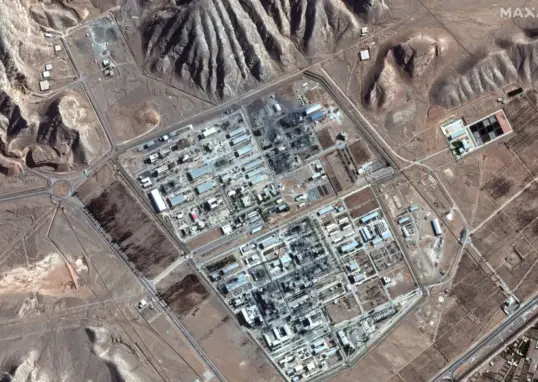
Us iran news
Trump has paused the 'Project Freedom' operation, indicating possible advancements in US-Iran negotiations amidst rising tensions in the Strait of Hormuz.
Cv shanmugam and internal dissent in AIADMK
Internal dissent within the AIADMK is escalating as a faction of MLAs considers backing Vijay's TVK for government formation. CV Shanmugam plays...

Rahul Gandhi’s Confrontational Question to Selvaperunthagai
Rahul Gandhi confronted Selvaperunthagai with a tough question, stirring speculation ahead of the Vijay swearing-in ceremony.
Anbumani Ramadoss Increases Tension in Tamil Nadu Politics
Vijay rejected Anbumani Ramadoss's demand for a Deputy Chief Minister post for his wife, escalating tensions in Tamil Nadu's coalition talks.
Read out all
Us aircraft declared an emergency and disappeared over qatar
A US military KC-135 tanker has gone missing after declaring an emergency over the Persian Gulf. The incident raises concerns amid escalating...