
Pakistan Implements Emergency Measures
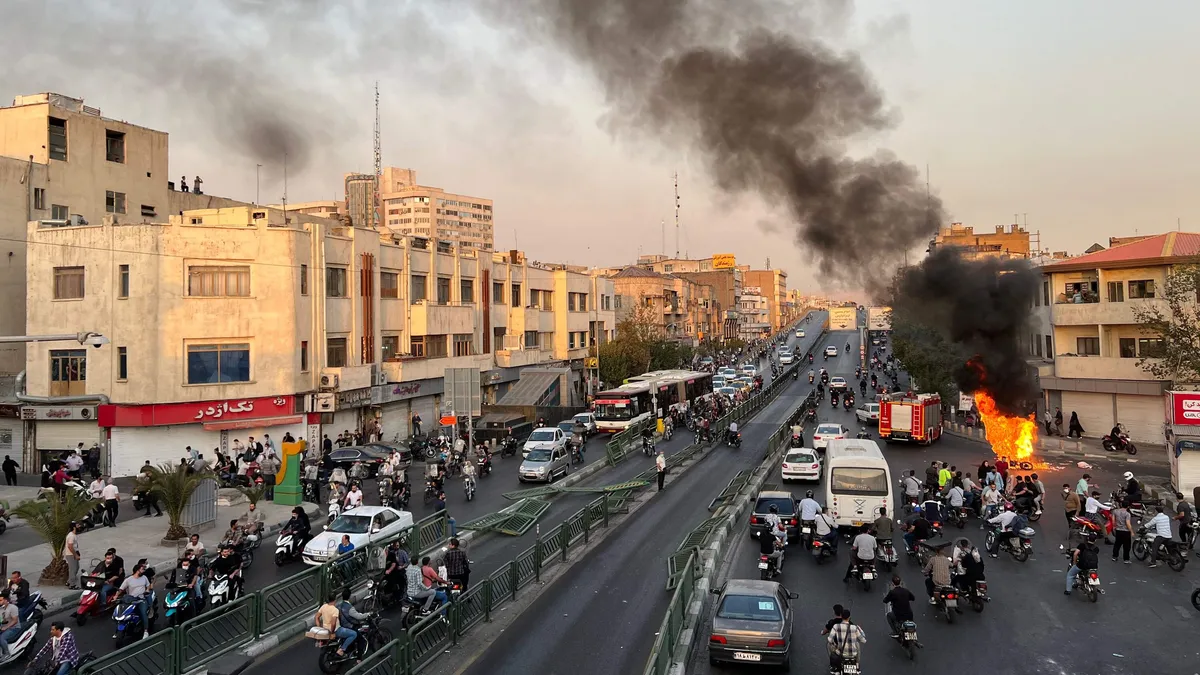
On March 10, 2026, Pakistan announced sweeping emergency austerity and fuel conservation measures in response to significant disruptions in oil and gas supply caused by the ongoing Iran war. The conflict has severely impacted the Strait of Hormuz, a vital waterway for traded oil, exacerbating the crisis.
Pakistan, which relies on imports for over 80 percent of its oil needs, has seen its oil imports reach $10.71 billion between July 2025 and February 2026. The recent energy crisis has triggered the largest fuel price increase in the country’s history, with petrol now costing $1.15 per litre and diesel $1.20 per litre, marking a 20 percent increase since the previous week.
Impact on Households and Economy
The fuel crisis has emerged during the final days of Ramadan, significantly affecting household budgets across the nation. Prime Minister Shehbaz Sharif remarked, “The entire region is currently in a state of war,” highlighting the broader implications of the conflict on regional stability and economic conditions.
Experts like Amer Zafar Durrani have noted that transport dominates petroleum consumption in Pakistan, further complicating the situation as fuel prices soar. Durrani also warned that the biggest risk does not stem from oil prices alone, but rather from currency depreciation, which poses a serious macroeconomic threat.
US Military Actions and Regional Tensions
In the context of the ongoing conflict, the United States has intensified its military actions against Iran. US Defense Secretary Pete Hegseth stated, “Today will be yet again our most intense day of strikes inside Iran,” as the US aims to destroy Iran’s missiles and defense industrial base.
Despite the escalating military actions, the US Defense Secretary also noted that the number of missiles fired by Iran in the past 24 hours was the lowest since the war began, indicating a potential shift in the conflict’s dynamics.
Looking Ahead
The ongoing conflict in the Middle East continues to have significant implications for global oil supply and prices. As Pakistan navigates this challenging landscape, the government’s emergency measures reflect the urgency of addressing the fuel crisis while balancing the broader economic impacts.
Details remain unconfirmed regarding the long-term effects of the Iran war on regional oil supplies and prices, but the situation remains critical as nations grapple with the fallout from the conflict.
Related Posts
Governance
The DMK raises concerns about the lack of anti-incumbency in BJP-ruled states. They highlight issues affecting opposition parties.
Read out all
Us iran news
Trump has paused the 'Project Freedom' operation, indicating possible advancements in US-Iran negotiations amidst rising tensions in the Strait of Hormuz.

Cv shanmugam and internal dissent in AIADMK
Internal dissent within the AIADMK is escalating as a faction of MLAs considers backing Vijay's TVK for government formation. CV Shanmugam plays...

Rahul Gandhi’s Confrontational Question to Selvaperunthagai
Rahul Gandhi confronted Selvaperunthagai with a tough question, stirring speculation ahead of the Vijay swearing-in ceremony.

Anbumani Ramadoss Increases Tension in Tamil Nadu Politics
Vijay rejected Anbumani Ramadoss's demand for a Deputy Chief Minister post for his wife, escalating tensions in Tamil Nadu's coalition talks.
Read out all
Us aircraft declared an emergency and disappeared over qatar
A US military KC-135 tanker has gone missing after declaring an emergency over the Persian Gulf. The incident raises concerns amid escalating...