
Recent Developments
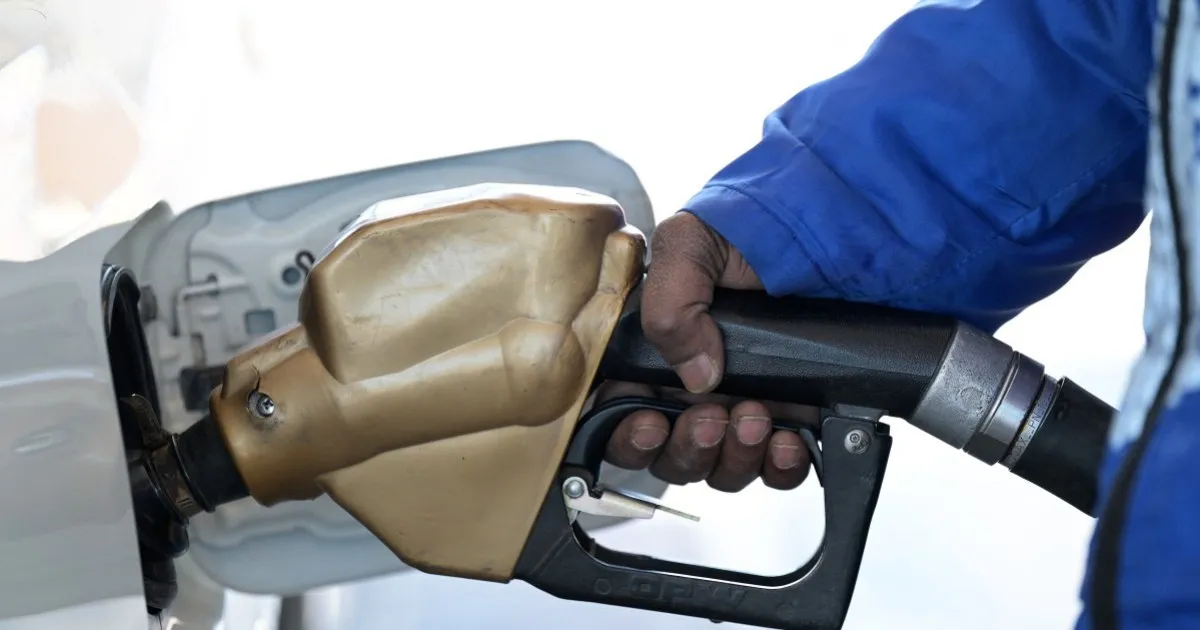
As the Iran-Israel war continues, the global oil market has experienced significant fluctuations. Just before the key developments on March 10, 2026, crude oil prices were already under pressure due to the effective closure of the Strait of Hormuz, a critical passage for oil transport.
On this date, Brent crude prices plunged 17 percent to below $80 a barrel, although they later rebounded to near $90. This volatility reflects the market’s reaction to the ongoing conflict and its implications for oil supply.
In the United States, petroleum prices have risen about 17 percent since the start of the war, highlighting the broader impact on global energy markets. The International Energy Agency is now considering the largest release of oil reserves in its history to stabilize prices.
Meanwhile, the situation in India has become increasingly concerning. The war has led to fears of a serious liquefied petroleum gas (LPG) crisis, with reports indicating that restaurants in major cities like Chennai, Mumbai, and Bengaluru may face shutdowns due to LPG shortages.
To address these challenges, the Indian government has invoked the Essential Commodities Act to ensure equitable distribution of LPG. Currently, India has 33.2 crore active domestic LPG connections, with 90 percent of its consumption met through imports.
However, there is a significant supply gap of 2 million tonnes for LPG. To mitigate this, the Central government is securing 1 million tonnes of LPG from the United States, while 20 very large gas carriers are expected to deliver LPG to Indian ports.
The National Restaurant Association of India has expressed concerns, stating, “As per articles [in the media], the government has clarified that there is no ban on the supply of commercial LPG cylinders for the restaurant industry… but the ground situation is different…” This highlights the disconnect between official statements and the realities faced by businesses.
Additionally, M.K. Stalin, a prominent political figure, emphasized the need for the Union government to ensure that the LPG cylinder shortage does not adversely affect public services or commercial establishments in Tamil Nadu.
Market analysts have noted the ongoing risk of supply disruptions, with Chad Norville stating, “What we saw this week was the market briefly treating that risk as real and repricing supply disruption in earnest.”
Details remain unconfirmed regarding the exact duration of the war and its long-term impact on oil prices. The effectiveness of government measures to address the LPG shortage also remains uncertain.
Related Posts
Governance
The DMK raises concerns about the lack of anti-incumbency in BJP-ruled states. They highlight issues affecting opposition parties.
Read out all
Us iran news
Trump has paused the 'Project Freedom' operation, indicating possible advancements in US-Iran negotiations amidst rising tensions in the Strait of Hormuz.
Cv shanmugam and internal dissent in AIADMK
Internal dissent within the AIADMK is escalating as a faction of MLAs considers backing Vijay's TVK for government formation. CV Shanmugam plays...

Rahul Gandhi’s Confrontational Question to Selvaperunthagai
Rahul Gandhi confronted Selvaperunthagai with a tough question, stirring speculation ahead of the Vijay swearing-in ceremony.
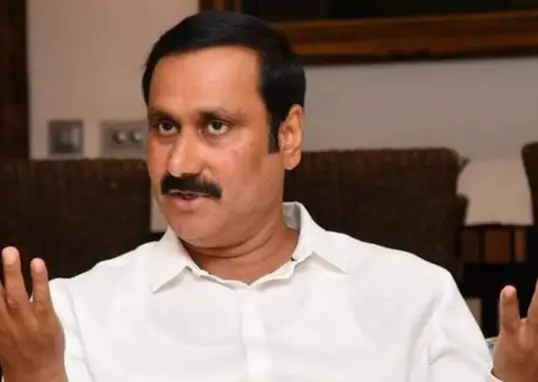
Anbumani Ramadoss Increases Tension in Tamil Nadu Politics
Vijay rejected Anbumani Ramadoss's demand for a Deputy Chief Minister post for his wife, escalating tensions in Tamil Nadu's coalition talks.
Read out all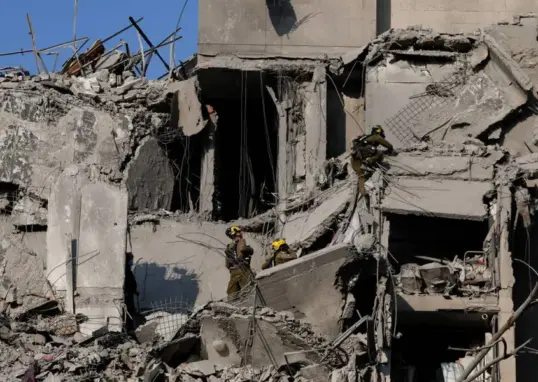
Us aircraft declared an emergency and disappeared over qatar
A US military KC-135 tanker has gone missing after declaring an emergency over the Persian Gulf. The incident raises concerns amid escalating...