
Current Fuel Prices in India
As of March 12, 2026, fuel prices in India have seen significant fluctuations, particularly in the capital city of Delhi. The price of petrol stands at ₹94.77 per litre, while diesel is priced at ₹87.67 per litre. Compressed Natural Gas (CNG) is available for ₹77.09 per kg, reflecting the ongoing adjustments in the energy market.
Recent Changes in LPG Pricing
Domestic liquefied petroleum gas (LPG) prices have also been affected, with the cost for a 14.2 kg cylinder reaching ₹913.00. This marks a notable increase, as the price of domestic LPG rose by ₹60 on March 7, 2026. In contrast, commercial LPG, which weighs 19 kg, is currently priced at ₹1,884.50 per cylinder.
Historical Context of Fuel Prices
For over six months prior to these recent changes, domestic retail petrol and diesel prices had remained stable due to government policy and cost absorption by oil marketing companies (OMCs). This stability was crucial for consumers, particularly in urban areas where transportation costs are directly linked to fuel prices.
Impact on Air Quality
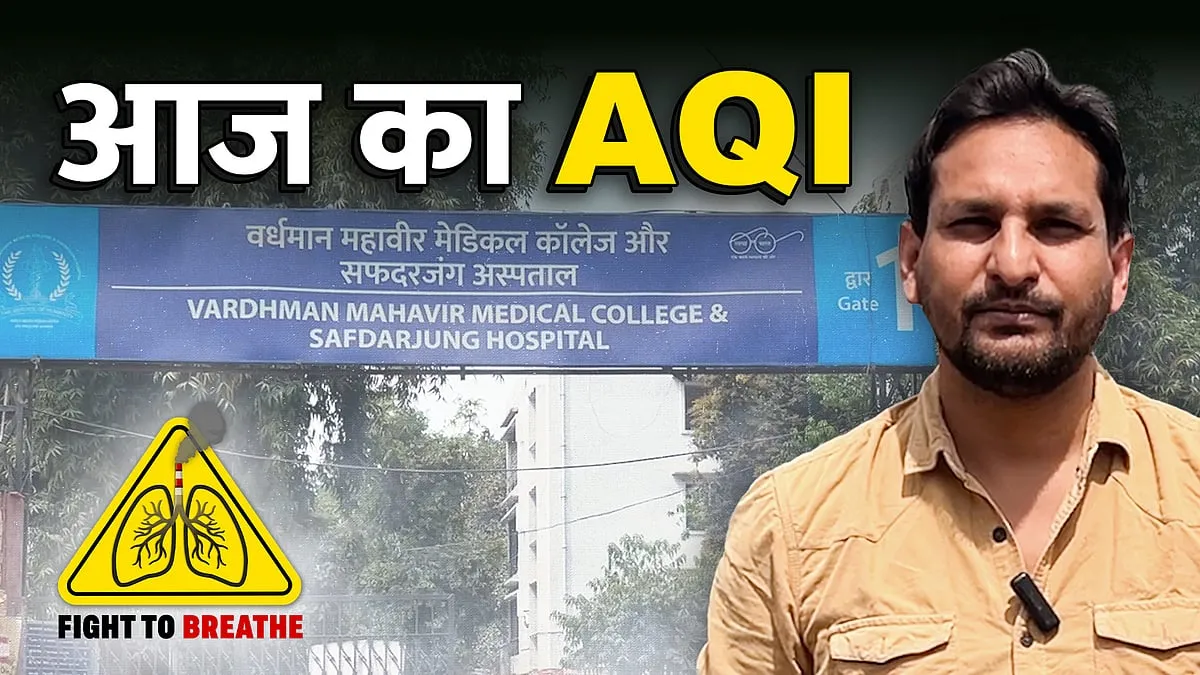
The rising fuel prices, particularly in urban centers like Delhi, have implications for air quality. Higher fuel costs can lead to increased use of alternative fuels such as CNG, which is generally considered cleaner than petrol and diesel. However, the overall impact on air quality will depend on consumer behavior and the availability of cleaner fuel options.
Gold Prices in Context
In addition to fuel prices, the market for gold has also seen fluctuations. As of the same date, the price of 24K gold in Delhi is ₹16,237 per gram, while 22K gold is priced at ₹14,885 per gram. These prices can influence consumer spending and investment decisions, particularly in a country where gold is a significant cultural and economic asset.
Current Economic Climate
The current state of fuel prices and air quality is critical for various stakeholders, including consumers, businesses, and policymakers. The rising costs of essential fuels can strain household budgets and impact economic activity, while air quality remains a pressing public health issue. The government’s response to these challenges will be closely monitored by the public and analysts alike.
As the situation evolves, the interplay between fuel prices, air quality, and economic conditions will remain a focal point for discussions in India. The recent changes in fuel pricing and their implications for air quality underscore the importance of sustainable energy policies and consumer awareness in addressing these critical issues.
Related Posts

Amritsar news: Two explosions occur near military installations in Punjab
Two low-intensity explosions occurred near military installations in Punjab, raising security concerns. Investigations are underway by local authorities.
Read out all
Mullanpur Hosts IPL 2026 Playoffs After Venue Shift
The IPL 2026 final venue has been moved from Bengaluru to Ahmedabad. This change comes amid local association requirements surpassing BCCI's guidelines.
Read out all
Pakistan Navy
The Pakistan Navy provided humanitarian aid to an Indian vessel in distress, showcasing cross-border cooperation. This incident highlights maritime safety efforts.

Tamil Nadu Assembly Elections 2026: Thalapathy Vijay’s TVK Emerges as the Largest Party
Thalapathy Vijay's party, TVK, has emerged as the single largest party in the 2026 Tamil Nadu Assembly Elections, reshaping local politics.
Read out all
Kashmira pardeshi: Suvinder Vicky redefines alpha with
Suvinder Vicky redefines being an alpha by prioritizing family responsibility over traditional power dynamics. His new show, Glory, explores boxing and family...
Read out all
Offs: Tata Tech’s Profit Margins Dip Despite Growth in Q4
Tata Technologies reported an 8% profit increase in Q4, but margins contracted year-over-year due to one-off factors. Management remains optimistic about future...
Read out all