
Political Landscape Before the Uprising
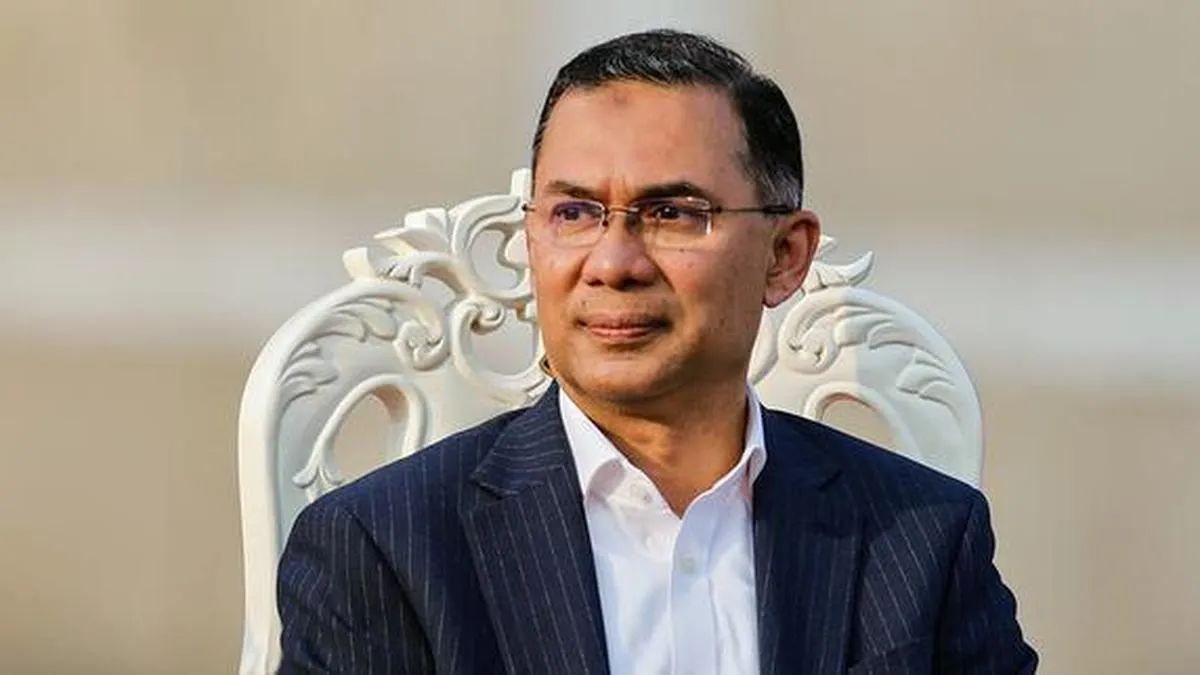
Before the 2024 uprising, Bangladesh was under the governance of Sheikh Hasina and the Awami League, which had maintained a strong grip on power for over a decade. The political environment was characterized by increasing tensions and allegations of authoritarianism. The opposition, primarily the Bangladesh Nationalist Party (BNP) led by Tarique Rahman, faced significant challenges in mobilizing support against the ruling party.
The Decisive Moment
The situation escalated dramatically in 2024 when widespread protests erupted, resulting in approximately 1,400 fatalities and over 20,000 injuries. This uprising marked a turning point in Bangladesh’s political history, leading to a significant shift in power dynamics. Following the unrest, Bangladesh’s Parliament convened for the first time on March 12, 2026, after the upheaval, with the BNP-led alliance securing 212 of the 350 parliamentary seats.
Immediate Effects on Governance
The BNP alone won 209 seats, signaling a strong mandate from the electorate. Tarique Rahman, now positioned as a key political figure, emphasized the need for a functional Parliament, stating, “After more than a decade and a half of fascist and subservient rule, the activities of Parliament are beginning today with representatives elected by the people.” In contrast, the Awami League’s influence has waned significantly, with Sheikh Hasina facing a death sentence in absentia for crimes against humanity.
Expert Perspectives
Political analysts suggest that the BNP’s return to power could reshape Bangladesh’s governance structure. Rahman has articulated a vision for a “prosperous, safe and democratic country,” highlighting the importance of parliamentary debates in addressing national issues. He stated, “We will make Parliament the centre of all debates and arguments aimed at resolving the country’s problems.” This shift indicates a potential move towards a more democratic and participatory governance model.
Broader Implications
The political upheaval has also had broader implications for Bangladesh’s economy and social fabric. Amid the energy crisis, the government has closed universities and implemented fuel rationing, further complicating the recovery process. The country, known as the world’s second-largest garment exporter, faces challenges in maintaining its economic stability during this transition.
As Bangladesh navigates this new political landscape, the focus will be on how effectively the BNP-led government can address the pressing issues stemming from the recent uprising and the ongoing energy crisis. The future of governance in Bangladesh remains uncertain as the nation grapples with its past and seeks a path forward.
Related Posts
Cognizant’s Layoffs and AI Hiring Strategy
Cognizant plans to lay off up to 15,000 employees globally, impacting traditional IT jobs and creating openings for fresh graduates.
Read out all
Governance
The DMK raises concerns about the lack of anti-incumbency in BJP-ruled states. They highlight issues affecting opposition parties.
Read out all
Us iran news
Trump has paused the 'Project Freedom' operation, indicating possible advancements in US-Iran negotiations amidst rising tensions in the Strait of Hormuz.
Cv shanmugam and internal dissent in AIADMK
Internal dissent within the AIADMK is escalating as a faction of MLAs considers backing Vijay's TVK for government formation. CV Shanmugam plays...
Rahul Gandhi’s Confrontational Question to Selvaperunthagai
Rahul Gandhi confronted Selvaperunthagai with a tough question, stirring speculation ahead of the Vijay swearing-in ceremony.
Love insurance kompany
'Love Insurance Kompany' has experienced a notable decline in box office collections following its second week of release.
Read out all