
What observers say
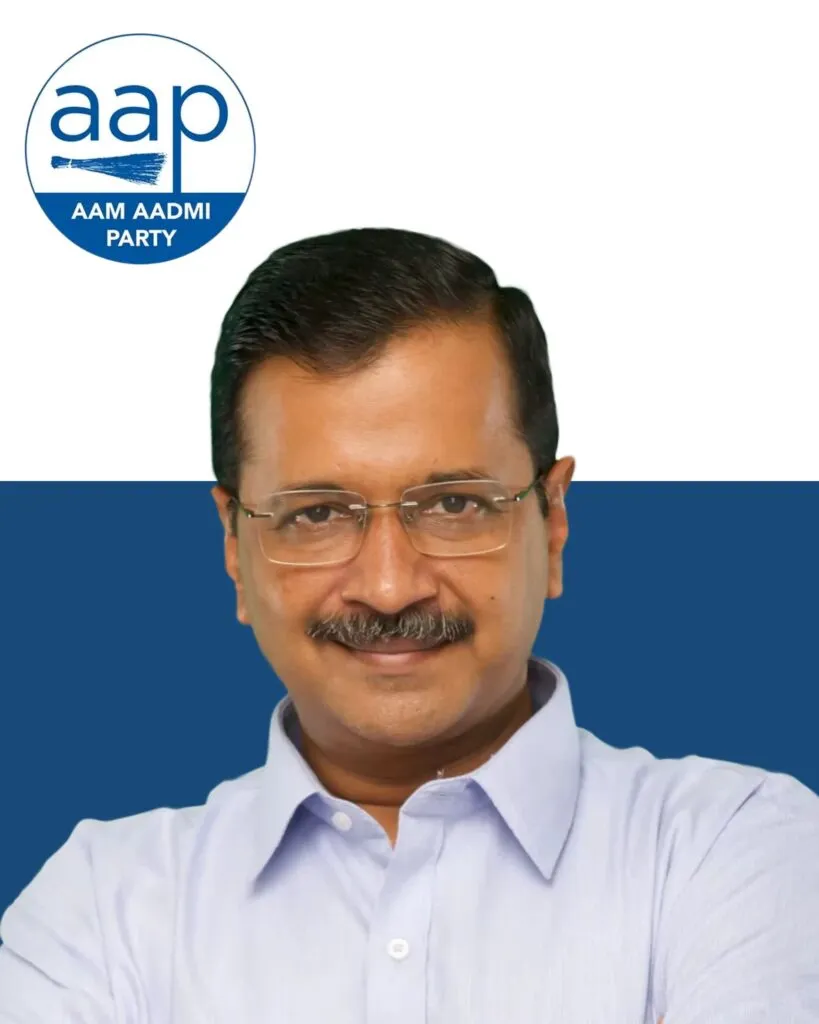
“There is no criminal intent on his part. In this situation, the conspiracy theory cannot survive against him,” stated the court during a recent hearing involving Delhi Chief Minister Arvind Kejriwal and his Deputy, Manish Sisodia. This remark came as the Delhi High Court granted the two leaders time to respond to a petition filed by the Central Bureau of Investigation (CBI) that challenges their discharge in a controversial liquor policy case.
The CBI’s petition is set for a hearing on April 6, 2026, following the Rouse Avenue court’s decision to discharge Kejriwal, Sisodia, and 21 other accused on February 27, 2026. The court found insufficient evidence to proceed against the individuals involved, which has raised questions about the integrity of the CBI’s investigation.
At the heart of the allegations is a claim that Rs 100 crore was paid by a so-called south lobby to influence the proposed Delhi excise policy. However, the court criticized the prosecution for failing to include crucial evidence, including the confessional statement of a star witness, in the charge sheet. The court noted, “No material found against you. I am surprised why you are implicated,” further emphasizing the lack of substantial evidence.
Kejriwal’s name did not appear in the initial charge sheet or the first three supplementary ones, only surfacing in the fourth supplementary charge sheet. This has led to questions about the timing and validity of the allegations against him. The CBI contends that the offence of conspiracy must be viewed in its entirety, asserting that there is sufficient material to frame charges against all accused.
In a notable turn of events, Kejriwal and Sisodia provided surety bonds of Rs. 50,000 each after their discharge, a procedural step that underscores the ongoing legal complexities they face. The court also highlighted shortcomings in the CBI’s investigation, particularly regarding the evidence against accused Kuldeep Singh.
As the political landscape in Delhi remains charged, the implications of this case extend beyond the courtroom. Tushar Mehta, representing the CBI, remarked, “Such litigants can’t be encouraged,” indicating a broader concern about the potential ramifications of the case on political accountability and governance.
Looking ahead, Kejriwal has filed a petition before the Supreme Court challenging the high court’s order to stay the trial court’s remarks against the CBI official involved in the case. The unfolding legal drama continues to attract attention, with observers keenly watching how these developments will impact Kejriwal’s political future and the governance of Delhi.
Related Posts
Governance
The DMK raises concerns about the lack of anti-incumbency in BJP-ruled states. They highlight issues affecting opposition parties.
Read out all
Us iran news
Trump has paused the 'Project Freedom' operation, indicating possible advancements in US-Iran negotiations amidst rising tensions in the Strait of Hormuz.
Cv shanmugam and internal dissent in AIADMK
Internal dissent within the AIADMK is escalating as a faction of MLAs considers backing Vijay's TVK for government formation. CV Shanmugam plays...
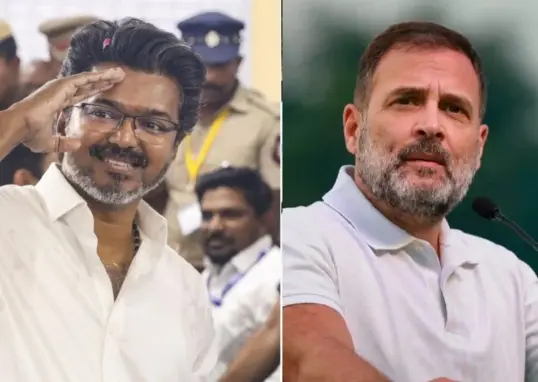
Rahul Gandhi’s Confrontational Question to Selvaperunthagai
Rahul Gandhi confronted Selvaperunthagai with a tough question, stirring speculation ahead of the Vijay swearing-in ceremony.
Anbumani Ramadoss Increases Tension in Tamil Nadu Politics
Vijay rejected Anbumani Ramadoss's demand for a Deputy Chief Minister post for his wife, escalating tensions in Tamil Nadu's coalition talks.
Read out all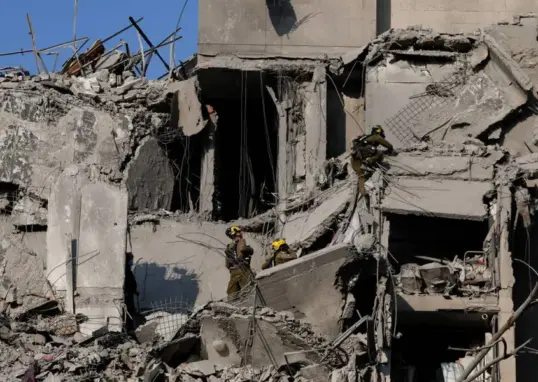
Us aircraft declared an emergency and disappeared over qatar
A US military KC-135 tanker has gone missing after declaring an emergency over the Persian Gulf. The incident raises concerns amid escalating...