
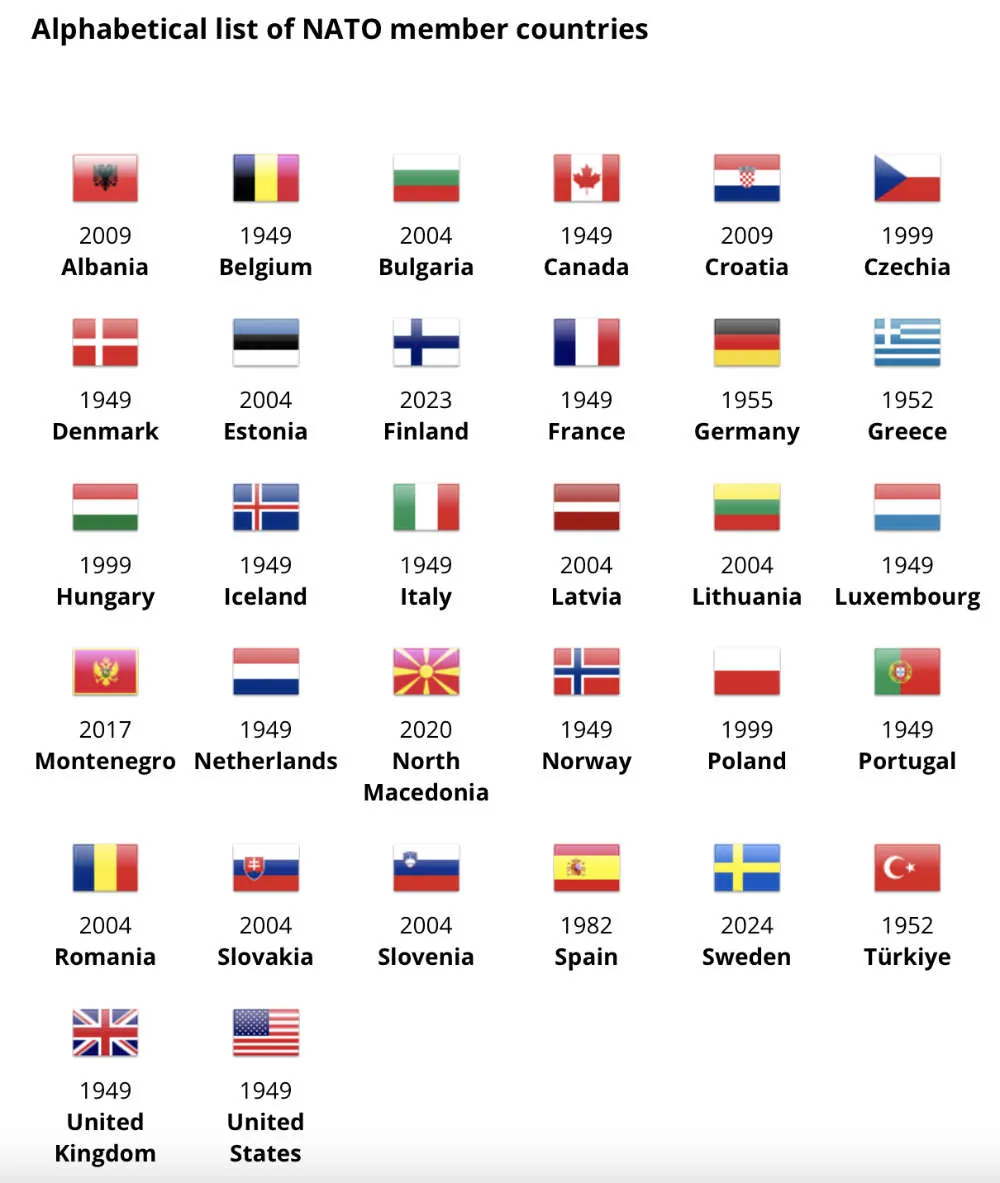
Before the recent developments, NATO countries were expected to respond collectively to international conflicts, particularly those affecting vital trade routes like the Strait of Hormuz. The expectation was that allies would support military campaigns to ensure regional stability.
However, a decisive moment occurred when NATO countries, including the United Kingdom, Germany, Japan, South Korea, Australia, Canada, Spain, and Belgium, were approached for military support against Iran. Despite the urgency of the situation, none of these countries agreed to join the military campaign.
British Prime Minister Keir Starmer explicitly stated that the United Kingdom would not be drawn into the wider war, marking a significant shift in the anticipated collective response. This decision reflects a growing reluctance among NATO allies to engage in unilateral military actions, particularly when NATO’s collective defense clause does not apply.
The implications of this decision are profound. Oil prices have surged due to the ongoing conflict, with Brent crude reaching $106.11 a barrel, impacting global markets and economies. The conflict has also resulted in significant casualties, including 13 U.S. service members and at least 12 Israeli civilians, highlighting the human cost of military engagements.
Former President Donald Trump warned that NATO faces a “very bad” future if allies do not assist in keeping the Strait of Hormuz open, emphasizing the strategic importance of this region for oil transport. He called on NATO allies to send warships, but the lack of response raises questions about the alliance’s cohesion.
Experts have noted that the reluctance to engage militarily may stem from a desire to avoid further escalation in a volatile region. Kaja Kallas, a prominent European leader, remarked on the necessity of keeping the Strait of Hormuz open, indicating discussions on potential European contributions.
Details remain unconfirmed regarding the specific military support that NATO allies might provide, and the long-term implications of this conflict on NATO’s unity remain uncertain. As the situation evolves, the responses of NATO countries will be closely monitored.
Related Posts
Governance
The DMK raises concerns about the lack of anti-incumbency in BJP-ruled states. They highlight issues affecting opposition parties.
Read out all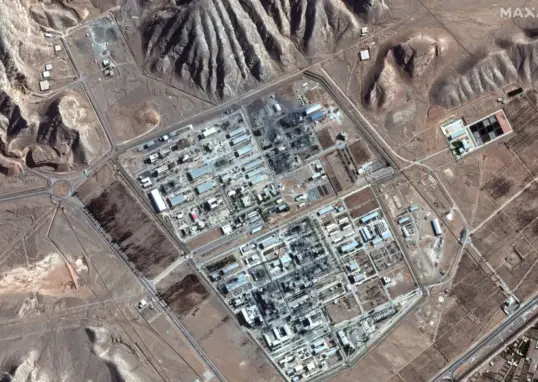
Us iran news
Trump has paused the 'Project Freedom' operation, indicating possible advancements in US-Iran negotiations amidst rising tensions in the Strait of Hormuz.
Cv shanmugam and internal dissent in AIADMK
Internal dissent within the AIADMK is escalating as a faction of MLAs considers backing Vijay's TVK for government formation. CV Shanmugam plays...

Rahul Gandhi’s Confrontational Question to Selvaperunthagai
Rahul Gandhi confronted Selvaperunthagai with a tough question, stirring speculation ahead of the Vijay swearing-in ceremony.
Anbumani Ramadoss Increases Tension in Tamil Nadu Politics
Vijay rejected Anbumani Ramadoss's demand for a Deputy Chief Minister post for his wife, escalating tensions in Tamil Nadu's coalition talks.
Read out all
Us aircraft declared an emergency and disappeared over qatar
A US military KC-135 tanker has gone missing after declaring an emergency over the Persian Gulf. The incident raises concerns amid escalating...