
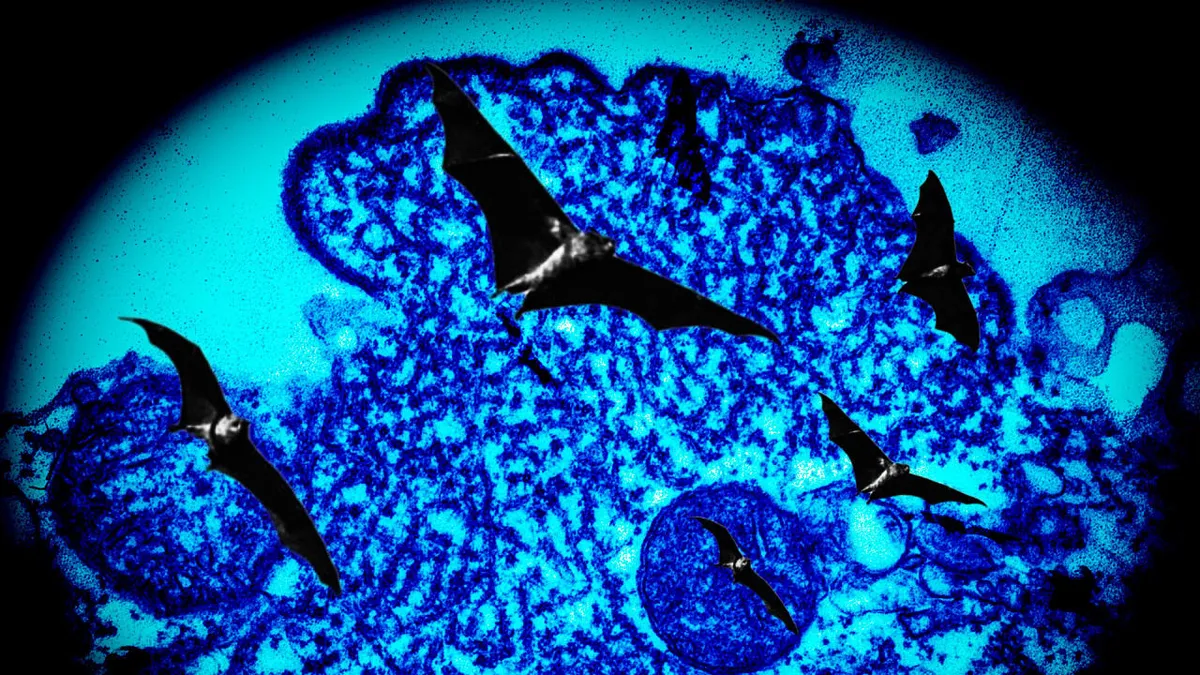
The recent outbreaks of the Nipah virus in Kerala, India, raise the critical question: how is the region responding to this persistent health threat? Kerala has experienced multiple Nipah virus outbreaks, with significant incidents occurring in 2018 and 2023, leading to increased vigilance among health-care workers and authorities.
The Nipah virus, first identified in Malaysia in 1999, is transmitted to humans through infected animals or contaminated food. As of 2026, Kerala has reported two deaths attributed to the virus, with a total of 18 confirmed cases during the initial outbreak in 2018, which also saw 17 fatalities.
In recent developments, two laboratory-confirmed cases were recorded in West Bengal on January 26, 2026, involving health-care workers who slipped into a coma. This incident has heightened awareness and concern regarding the virus’s potential spread beyond Kerala.
Health officials have identified approximately 700 individuals on the contact list for Nipah virus risk, with 77 categorized as high-risk. The Nipah virus infection can lead to severe symptoms, including fever, headache, muscle pain, and respiratory issues, making early detection and response crucial.
Notably, the fruiting season in Kerala, which peaks around April, correlates with an increase in Nipah virus cases. Deforestation and urban expansion have been cited as factors that amplify the risk of transmission, prompting calls for better surveillance and preparedness.
Dr. Anish, a local health expert, emphasized the importance of preventive measures, stating, “Avoiding fruits lying on the ground or those bitten by bats, washing and peeling fruits before consumption, and keeping away from bat roosts are some of the steps suggested to avoid the infection.”
Despite these measures, scientists have criticized the current state of surveillance and preparedness as poor and episodic, with funding for research being sporadic. They warn that the danger of the Nipah virus lies in its periodic and lethal nature, underscoring the need for consistent public health strategies.
Awareness campaigns targeting children are planned in Kerala due to the history of infections in that age group. As health officials work to mitigate the risks associated with the Nipah virus, the community remains vigilant, with ongoing efforts to educate the public about prevention and response strategies.
Details remain unconfirmed regarding the full extent of the current outbreaks, but health authorities continue to monitor the situation closely.
Related Posts
Hantavirus infections cruise ship
A suspected hantavirus outbreak on a cruise ship has led to three deaths and several illnesses. The incident raises public health concerns...

Air pollution: Shahid Smriti Van Reduces in Surat
Shahid Smriti Van is an urban ecological restoration project in Surat that significantly reduces air pollution. The initiative has garnered national recognition...
Cancer Patient’s Meal Delivery Request Sparks Community Kindness
A 24-year-old cancer patient in Foshan, China, sparked goodwill from delivery riders with a simple request for companionship during her treatment.

Yawning: A Crucial Behavior for Brain Regulation
Recent studies indicate that yawning may play a critical role in brain regulation, contradicting previous beliefs about this common behavior.
Read out all
Akansha Ranjan Kapoor egg freezing
Akansha Ranjan Kapoor opened up about her challenging egg freezing experience at 32. She emphasizes the need for proactive female health.
Read out all
Ndma: Nagaland Enhances Earthquake Preparedness with Mock Drills
Nagaland held extensive mock drills simulating a 7.7-magnitude earthquake to boost disaster management and community response across several districts.