
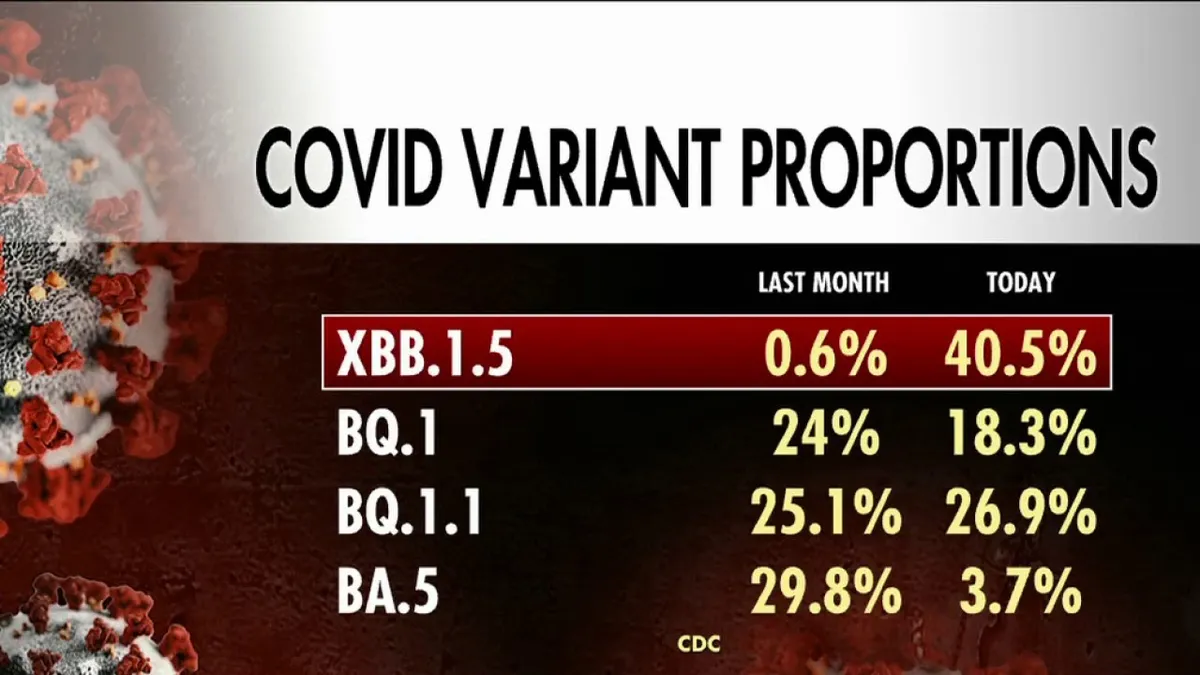
The wider picture
The BA.3.2 variant, commonly referred to as the Cicada variant, is a descendant of the BA.3 subvariant of Omicron that emerged in 2022. It was first identified in South Africa in November 2024 and has since been detected in over 20 countries, including 25 states in the United States. With approximately 70 to 75 mutations in its spike protein, the Cicada variant has raised concerns among health officials and the public alike.
Initial reports indicate that common symptoms associated with the Cicada variant include cough, fever or chills, sore throat, congestion, shortness of breath, loss of smell or taste, fatigue, headache, and gastrointestinal issues such as diarrhea or vomiting. These symptoms largely mirror those of previous COVID-19 strains, particularly the Omicron variants.
Despite the presence of these symptoms, current evidence suggests that the BA.3.2 variant does not cause more severe illness compared to earlier variants. Dr. Adolfo García-Sastre stated, “There’s no evidence that BA.3.2 is causing more severe disease or hospitalizations in countries where it’s more widespread.” Most cases appear to be mild to moderate, resembling flu-like illness, especially among vaccinated individuals.
Health experts emphasize that the current COVID-19 vaccines are expected to provide strong protection against severe disease, even if breakthrough infections occur. However, there are concerns regarding the variant’s multiple mutations, which may impact vaccine effectiveness. Observers note that while the vaccines may not be as effective against the Cicada variant, they still offer significant protection against severe outcomes.
The Cicada variant primarily spreads through respiratory droplets and close contact in crowded or poorly ventilated spaces, similar to other COVID-19 variants. Health authorities are actively monitoring its rise, particularly in the United States, where cases are currently increasing.
Health experts recommend that individuals stay up to date with vaccinations and take precautions in crowded settings to mitigate the spread of the virus. As the situation develops, health officials continue to assess the variant’s impact and provide guidance to the public.
In summary, the symptoms linked to the Cicada variant remain largely consistent with previous COVID-19 strains, and there is no strong evidence suggesting increased severity of illness caused by this variant. Most cases remain mild and can be managed at home with rest and hydration. Details remain unconfirmed as health authorities continue to gather data on this emerging variant.
Related Posts
Hantavirus infections cruise ship
A suspected hantavirus outbreak on a cruise ship has led to three deaths and several illnesses. The incident raises public health concerns...

Air pollution: Shahid Smriti Van Reduces in Surat
Shahid Smriti Van is an urban ecological restoration project in Surat that significantly reduces air pollution. The initiative has garnered national recognition...
Cancer Patient’s Meal Delivery Request Sparks Community Kindness
A 24-year-old cancer patient in Foshan, China, sparked goodwill from delivery riders with a simple request for companionship during her treatment.

Yawning: A Crucial Behavior for Brain Regulation
Recent studies indicate that yawning may play a critical role in brain regulation, contradicting previous beliefs about this common behavior.
Read out all
Akansha Ranjan Kapoor egg freezing
Akansha Ranjan Kapoor opened up about her challenging egg freezing experience at 32. She emphasizes the need for proactive female health.
Read out all
Ndma: Nagaland Enhances Earthquake Preparedness with Mock Drills
Nagaland held extensive mock drills simulating a 7.7-magnitude earthquake to boost disaster management and community response across several districts.