
Transition of Power in Iran
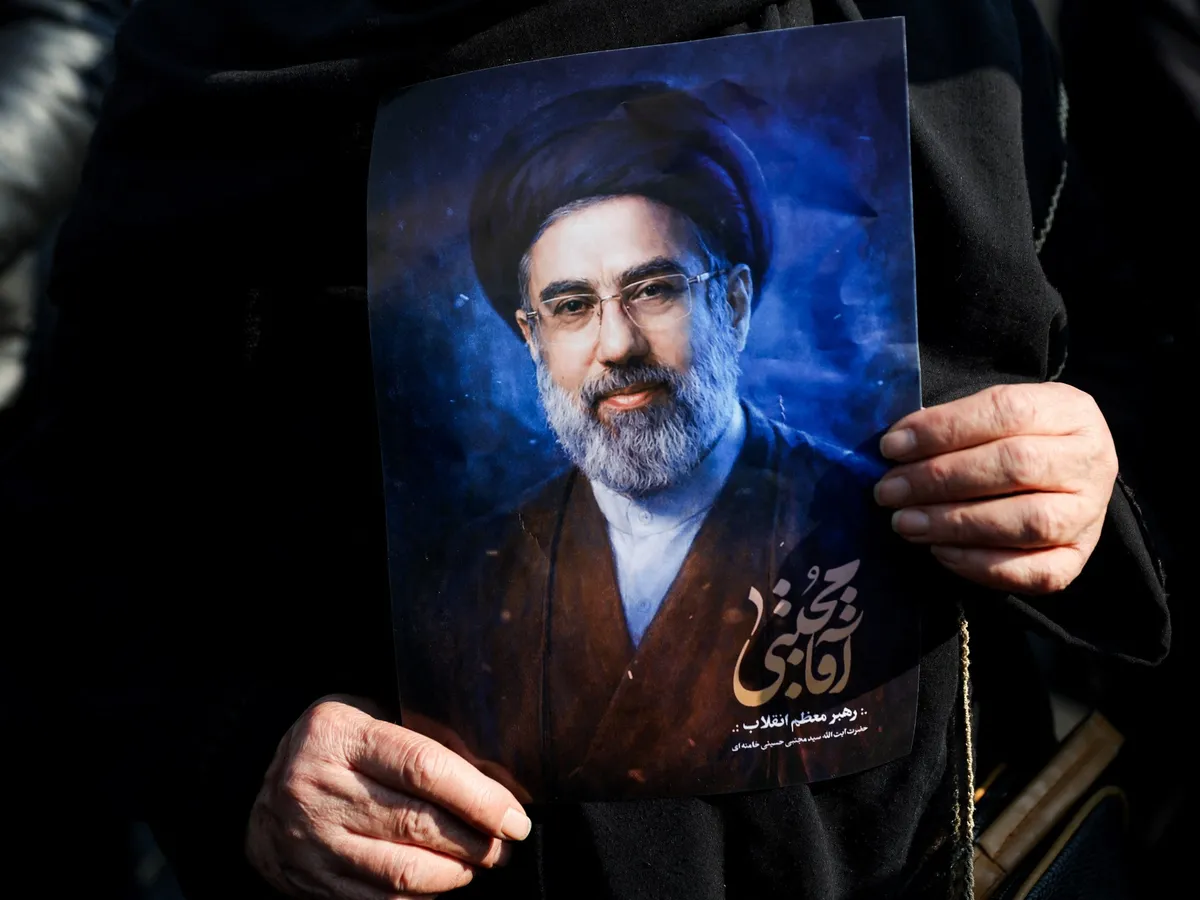
The political landscape in Iran has undergone a significant transformation with the appointment of Mojtaba Khamenei as the new Supreme Leader on March 9, 2026. This development follows the death of his father, the long-standing Supreme Leader Ayatollah Ali Khamenei, who was killed in US-Israeli strikes. Prior to this event, expectations were centered around a potential power struggle within Iran’s political elite, given Mojtaba’s lack of formal governmental experience.
In a decisive moment, Mojtaba Khamenei received immediate backing from Iran’s political and security establishment, signaling a unified front in support of his leadership. Mass rallies were organized across the country, showcasing public support for the new Supreme Leader. Notably, Oman’s Sultan and Iraqi Prime Minister Mohammed Shia al-Sudani expressed their confidence in Khamenei’s ability to navigate the challenges ahead.
However, the international reaction has been mixed. US President Donald Trump criticized the appointment, labeling it a mistake and questioning its longevity. In contrast, Russian President Vladimir Putin pledged unwavering support for Iran, emphasizing the need for strong leadership during a time of armed aggression. This contrast highlights the geopolitical implications of Khamenei’s rise to power.
The Israeli government reacted sharply, with its Foreign Ministry branding Khamenei a “tyrant” and issuing threats. This reflects ongoing tensions in the region, particularly concerning Iran’s influence in neighboring countries like Iraq and Yemen, where the Houthis also congratulated Khamenei on his new role.
As Mojtaba Khamenei steps into this pivotal position, he faces the daunting task of managing a nation in crisis. His leadership will be scrutinized not only domestically but also on the international stage, where perceptions of Iran’s political direction are closely tied to the actions of its new Supreme Leader. The coming months will be critical in determining how Khamenei’s leadership will shape Iran’s future amidst ongoing conflicts and diplomatic challenges.
Experts suggest that Khamenei’s tenure will require significant courage and dedication, especially given the historical context of his father’s rule, which was marked by bloodshed and controversy. The legacy of Ayatollah Ali Khamenei looms large, and Mojtaba’s ability to forge his own path will be closely watched.
Details remain unconfirmed regarding the full implications of this leadership change, but the immediate reactions from both allies and adversaries indicate a complex and potentially volatile environment for Iran’s new Supreme Leader.
Related Posts
Governance
The DMK raises concerns about the lack of anti-incumbency in BJP-ruled states. They highlight issues affecting opposition parties.
Read out all
Us iran news
Trump has paused the 'Project Freedom' operation, indicating possible advancements in US-Iran negotiations amidst rising tensions in the Strait of Hormuz.
Cv shanmugam and internal dissent in AIADMK
Internal dissent within the AIADMK is escalating as a faction of MLAs considers backing Vijay's TVK for government formation. CV Shanmugam plays...
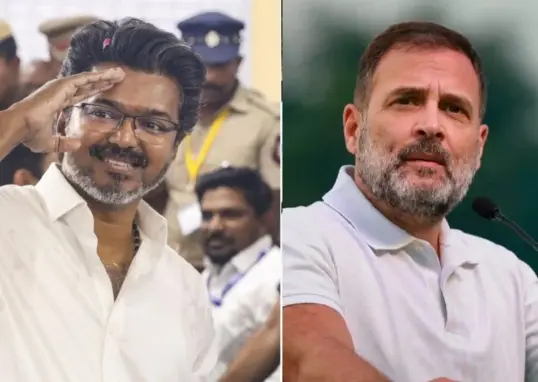
Rahul Gandhi’s Confrontational Question to Selvaperunthagai
Rahul Gandhi confronted Selvaperunthagai with a tough question, stirring speculation ahead of the Vijay swearing-in ceremony.
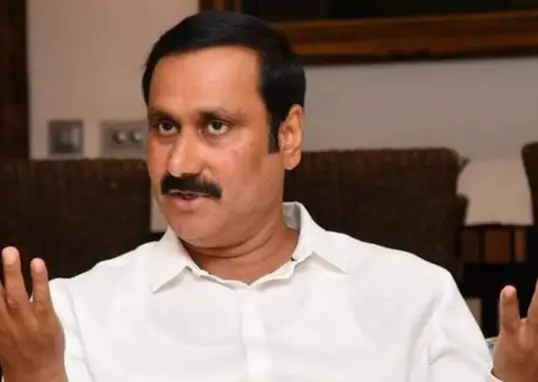
Anbumani Ramadoss Increases Tension in Tamil Nadu Politics
Vijay rejected Anbumani Ramadoss's demand for a Deputy Chief Minister post for his wife, escalating tensions in Tamil Nadu's coalition talks.
Read out all
Tirumala
TTD has taken significant steps to enhance facilities for pilgrims at the Tirumala temple during the summer rush. These improvements aim to...
Read out all